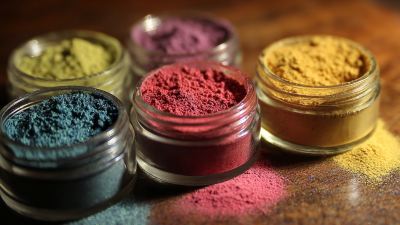
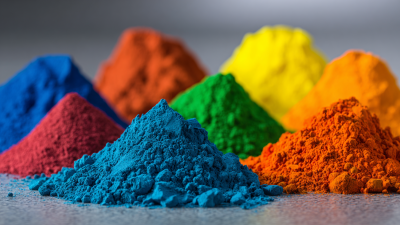
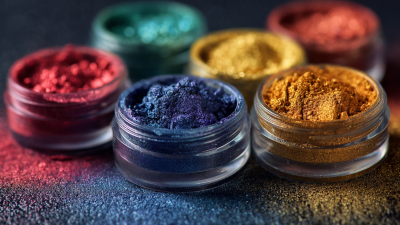
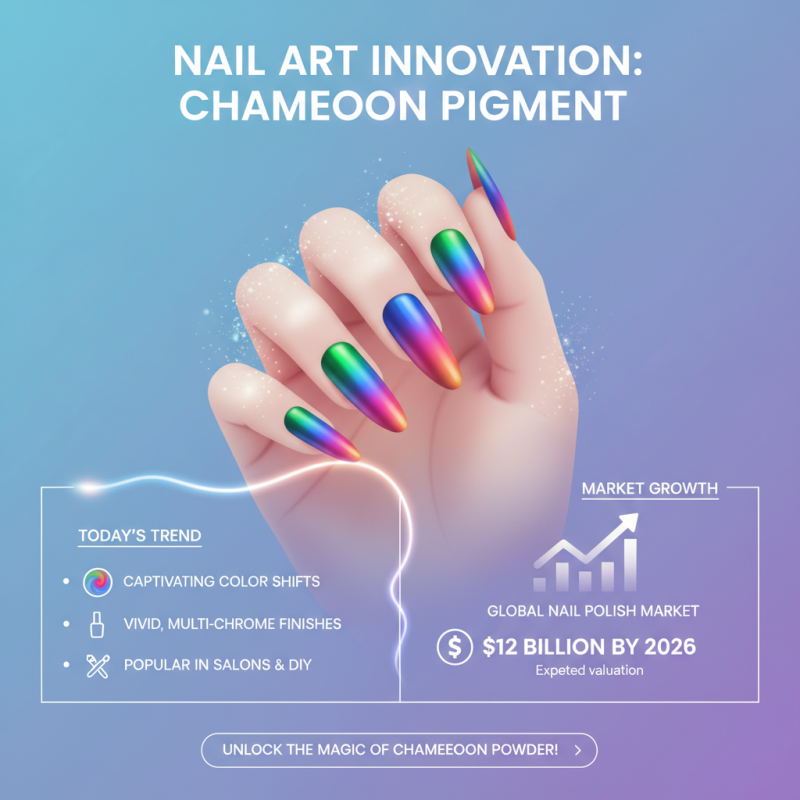
The world of beauty and design is always changing, and 2026 is no different. One of the exciting trends this year is the Chameleon Powder Pigment. It’s a pretty cool product that offers vibrant colors that seem to shift and change as the light hits them—pretty mesmerizing. But it’s not just about making things look pretty; it's really about unleashing your creativity and expressing yourself.
Chameleon Powder Pigment tends to catch the eye of artists and DIY fans alike. Just imagine, a simple nail design that changes colors depending on how you turn your hand—that's the magic these pigments bring. They're super versatile too, showing up in everything from makeup to home decor. That said, getting that perfect, smooth finish isn’t always a walk in the park. Getting the mixing ratios right and figuring out the best way to apply them can take some practice.
There are quite a few brands popping up now, each with their own unique shades and textures. But honestly, not all of them work equally well. Finding the right Chameleon Powder Pigment can take a bit of trial and error. Sometimes you’ll get unexpected results—just part of the fun! Learning from slip-ups and embracing those little imperfections makes the whole process more rewarding. Trust me, the journey of experimenting with these pigments can be just as satisfying as the final look you create.
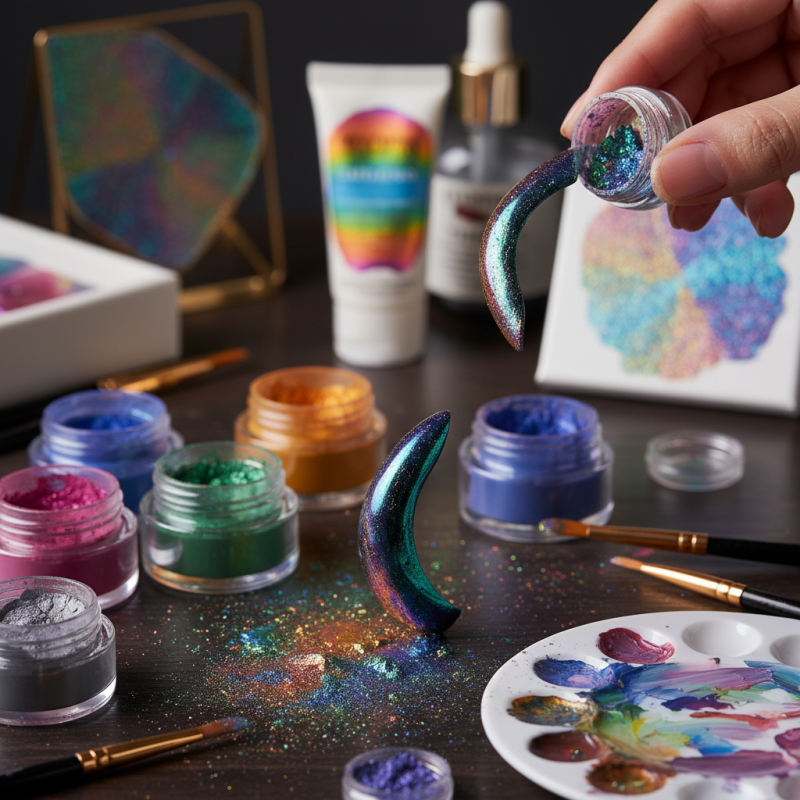
Chameleon Powder Pigment: An Overview of 2026 Trends
Chameleon powder pigment is set to be a major trend in 2026. Its unique ability to shift colors in light captivates artists and hobbyists alike. This versatility makes it perfect for various projects, such as makeup, crafts, and home decor. Expect to see more vibrant color blends and innovative applications.
To achieve the best results with chameleon powder, here are a few tips. First, always use a clear base to enhance the color shift. A smooth and well-prepared surface will make your application easier. Experiment with layering different shades to create depth. You can also mix the powder with different mediums. This will yield unique textures and effects.
Think about your color choices carefully. The interplay of light can dramatically alter the appearance. Sometimes, what looks good in one light may not in another. This aspect of Chameleon Pigments can be frustrating. Embrace these challenges, and be open to unexpected outcomes. They can lead tocreative surprises that enhance your artistry.
The Science Behind Chameleon Pigments and Their Color Shifting
Chameleon pigments have captured the creative world with their stunning color-shifting effects. The science behind these pigments is fascinating. They are made from specialized particles that reflect light in different ways. When viewed from different angles, the colors seem to shift and transform. This isn't merely an illusion. It’s a blend of physics and artistry.
Chameleon Pigment Powder starts with a base material that interacts with light. This interaction causes the colors to change depending on how light hits the surface. It’s essential to understand that not every application will yield the same results. The thickness of the layer, the surface texture, and even the ambient light can significantly impact the final appearance. Experimentation is crucial.
Many creators have found joy in using chameleon pigments for various projects. However, achieving the desired effect can be tricky. A common mistake is applying too thick a layer. This can muddle the colors and lose the shifting effect. Striking a balance can take time and practice. The journey of mastering chameleon pigment powder is one of creativity and learning from missteps. Each failed attempt can lead to better understanding and stunning results.
Popular Chameleon Color Combinations for 2026
Chameleon powders are a fascinating way to elevate your artistic projects. In 2026, popular color combinations feature more than just basic hues. One standout combo is the striking blue to green shift. This blend catches attention, especially on nails and crafts. The shimmering effect brings a depth that is hard to ignore. When mixed with a matte base, the contrast is stunning, yet not always easy to perfect.
Another exciting combination involves deep purple transitioning to fiery orange. This mix creates a dramatic flair. The vibrancy can transform simple items into unique pieces of art. However, achieving the right balance can be tricky. Some applications may end up looking uneven. It’s essential to practice and refine your techniques.
China Chameleon Powder Pigment offers many options for artists seeking inspiration. Experimenting with layering can lead to unexpected results. Sometimes, having a bold approach may lead to imperfections. Those imperfections, though, often tell unique stories in art. Each failure presents a chance to learn and grow in your craft. Embrace the journey and let the colors inspire you.
Application Techniques for Chameleon Powder in Nail Art
Chameleon powder pigment shines in nail art today, captivating enthusiasts with its vivid color shifts. As per industry reports, the global nail polish market is expected to reach approximately $12 billion by 2026. This trend highlights the increasing popularity of innovative techniques, like using Wholesale Chameleon Powder Pigment.
Applying chameleon powder requires a keen eye and steady hand. Start with a dark base coat; black works best. Use a fluffy brush to apply the chameleon powder, ensuring an even layer. Dust off excess gently to prevent clumps. Some nail artists struggle with this step. Proper practice makes it easier.
An occasional flaw can lead to unique finishes. Uneven application may create stunning gradients rather than perfect lines. Experimentation is key. The vibrant hues transform under different lighting, making each nail unique. Keeping track of color preferences can help meet clients’ desires for bold looks. Remember, chameleon effects are best appreciated with care and creativity.
Innovative Uses of Chameleon Powder in Crafting
Chameleon powder is gaining popularity among crafters for its vibrant color-shifting abilities. This pigment can transform ordinary projects into eye-catching masterpieces. Use it on various surfaces like resin, glass, or paper. The effects can be mesmerizing, shifting from green to gold, or purple to blue. These transitions add a unique dimension to any art piece.
Experimenting with chameleon powder can be a little tricky. You might not always achieve the desired effect on the first try. Mixing with different mediums can yield unexpected results. For example, combining it with clear epoxy might give a subtle shimmer instead of a bold shift. Take your time to explore and adjust your technique. Remember, crafting is about trial and error, and it's okay if not every piece turns out flawless.
Consider incorporating chameleon powder into everyday items too. Imagine creating custom coasters or personalized gifts that catch the light beautifully. Use it to decorate furniture or accentuate wall art. These small touches can uplift the overall aesthetic of a space. The innovative uses of chameleon powder in crafting allow for both creativity and mistakes, keeping the process engaging and fun.
Tips for Choosing the Best Quality Chameleon Pigments
Choosing the right chameleon powder pigment can seem daunting. It's essential to look for High-Quality Chameleon Powder Pigment. Stay away from overly vibrant options that may lack durability. A good pigment should shift colors beautifully in different lighting.
Inspect the texture closely. Fine particles tend to blend better. Chunky pigments may create an uneven finish. Look for products that promise a smooth application. Test samples whenever possible. Sometimes the color in the package does not reflect the final look.
Consider how the pigment interacts with your project. Mixing it with various mediums affects the outcome. You'll find that not all chameleon pigments perform well under UV light. Watch how the hue changes in different environments. Keeping a testing journal can help track what works. This process takes time and reflection. Aim for quality, not just visual appeal.
Safety Considerations and Best Practices for Handling Pigments
When working with chameleon powder pigments, safety is paramount. These pigments can be vibrant and captivating, but they also pose risks. Proper handling reduces the chance of inhalation or skin contact. Always wear a mask and gloves. Dust from pigments can easily become airborne, creating an unsafe environment.
Storage is equally important. Keep pigments in a cool, dry place. Containers should be tightly sealed. Light and moisture can affect their quality and safety. It’s easy to forget, but even small spills should be cleaned immediately. A neglected mess can lead to unintended accidents later.
Finally, consider ventilation. Working in a well-ventilated area allows harmful particles to dissipate. Open windows or use fans to enhance airflow. Remember, safety is an ongoing commitment. Regularly review your practices and improve where needed. Adhering to safety guidelines ensures that your creative endeavors remain enjoyable and hazard-free.
2026 Best Chameleon Powder Pigment Trends
FAQS
: Define your goals clearly. Make sure they are realistic and achievable. Research the market trends relevant to your project.
Prioritize tasks based on urgency. Use a planner to visualize daily activities. Break larger tasks into smaller steps for easier handling.
Miscommunication is frequent. Team members may have different work styles or approaches. Regular check-ins can help align everyone’s goals.
Feedback is essential. It helps identify areas of improvement. Be open to both positive and negative responses for better results.
Analyze past decisions. Understand what worked and what didn’t. Gather input from others but trust your instincts too.
Acknowledge your feelings. Reflect on the situation and what went wrong. Consider it a learning experience for future endeavors.
Conclusion
The article "2026 Best Chameleon Powder Pigment Trends and Tips" provides a comprehensive overview of the latest trends in chameleon powder pigments, highlighting their unique color-shifting properties and applications in various creative fields. The science behind these pigments reveals how they change colors when viewed from different angles, making them particularly popular in nail art and crafting.
The piece also details popular color combinations that will be in vogue for 2026, as well as effective application techniques to maximize their visual impact. Moreover, it emphasizes the importance of selecting high-quality chameleon powder pigments for optimal results while outlining safety considerations and best practices for handling these materials. Overall, the article serves as a valuable resource for artists and crafters looking to explore the innovative uses of chameleon powder pigment in their work.