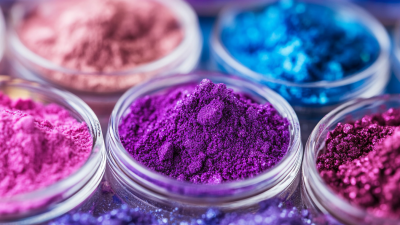
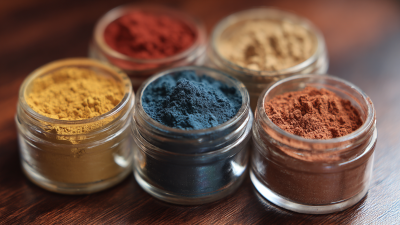
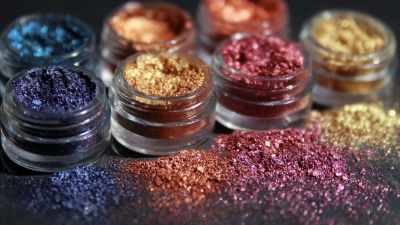
Color changing Mica Powder has really shaken things up across a bunch of industries, from cosmetics to home décor. I read somewhere that, according to Grand View Research, the global market for mica powder hit about 1.21 billion USD in 2022. That’s a pretty big number, and honestly, it shows how much people are craving unique and innovative materials. Artists and manufacturers are both drawn to the beautiful, eye-catching effects of color-changing mica powder.
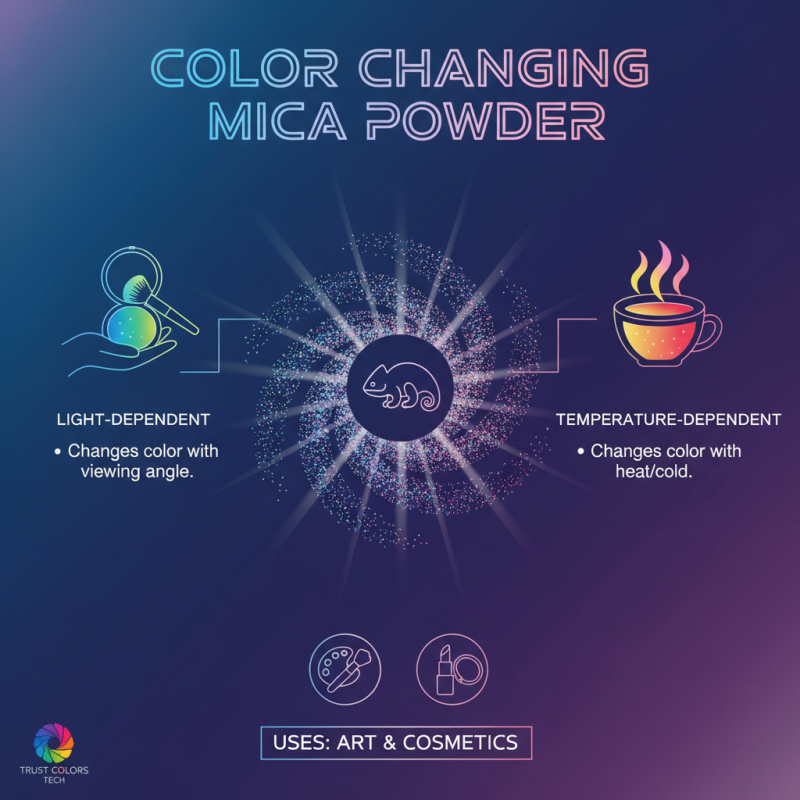
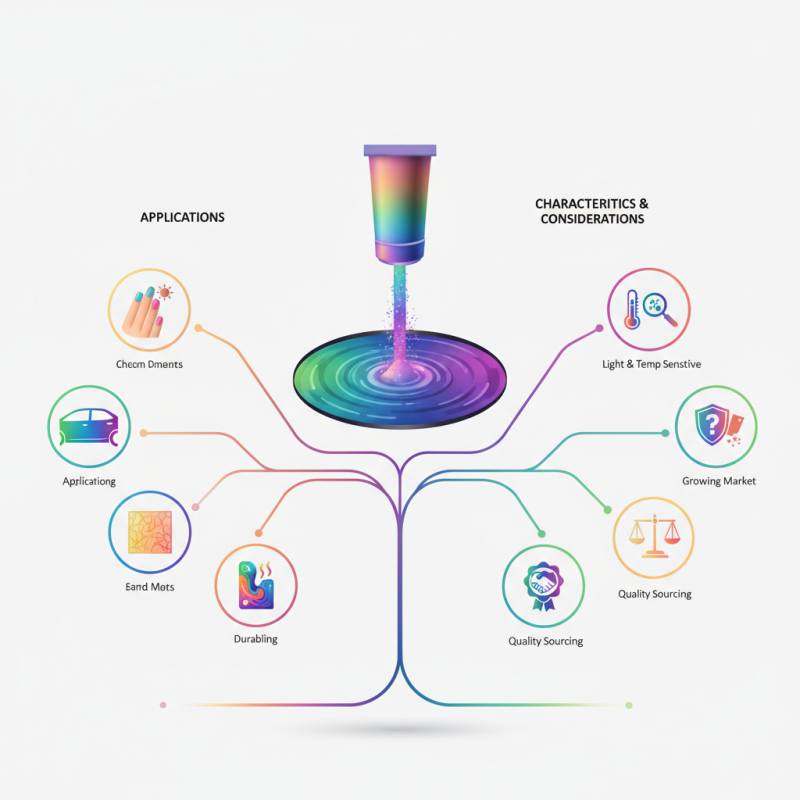
What’s cool about this specialty pigment is that it can change colors depending on lighting or temperature. And honestly, the trend for temperature-sensitive pigments is exploding right now. Industry insiders are predicting more and more of these Thermochromic Powders will pop up in all sorts of products—think nail polish, car finishes, and beyond. If you’ve ever seen how stunning these effects can look, it’s easy to see why! That said, there are some issues to watch out for, like consistency and quality control, which can be tricky to get right.
Sure, color changing mica powder sparks a lot of creative ideas, but it also raises questions about how durable those color shifts are over time. Some folks might notice that the effect fades or becomes less vivid after a while. It really pays to buy from reputable suppliers and high-quality sources to make sure the pigment works as expected, especially in more demanding applications. All in all, the magic of color-changing mica is pretty irresistible—though the quest for perfection still continues, as always.
What is Color Changing Mica Powder: An Overview of Its Properties
Color changing mica powder is a unique material that adds aesthetic appeal to various products. It consists of fine particles that shift colors based on light and angle. This powder is not merely decorative; it also has functional properties. According to a recent industry report, the global mica market is projected to grow at a CAGR of 5.7% from 2020 to 2025. This growth can be attributed to the increasing demand for color-changing pigments in cosmetic and art applications.
One notable attribute of color changing mica powder is its versatility. It can be incorporated into a wide range of eco-friendly products like soaps, candles, and makeup. This trend aligns with consumer preferences for sustainable materials. However, the use of mica raises concerns regarding mining practices and environmental impacts. Reports indicate that only 34% of mica used in cosmetics is sourced responsibly. This highlights a need for better transparency in sourcing and production practices within the industry.
Additionally, using color changing mica powder presents some challenges. It requires careful formulation to achieve the desired effects. The fading or inconsistent color shift can be frustrating for creators. Some artists report spending hours adjusting their mixtures just to get it right. Despite these challenges, the allure of color changing mica powder continues to attract creators and consumers alike.
Color Changing Mica Powder Usage in Different Industries
The Science Behind Color Changing Mica Powder: Composition and Mechanism
Color Changing Mica Powder is a fascinating substance used in art and cosmetics. Its unique property allows it to shift colors depending on the angle of light or temperature. This creates a stunning visual effect that draws attention and inspires creativity. The shimmering particles capture light beautifully, making artworks and products more dynamic.
The science behind color changing mica powder lies in its composition. It typically contains mica, a mineral that reflects light. Additionally, it may include dyes that react to environmental factors. For example, some can change color when exposed to heat. Others shift hue based on the viewing angle. This complex mechanism adds an element of surprise to any project.
However, working with color changing mica powder can be tricky. Achieving the desired color shift requires experimentation. Sometimes, the final results may not match expectations. This can be frustrating for artists. It's important to take time to understand the properties and limitations. Despite these challenges, the vibrant and shifting colors make the journey worthwhile.
Common Applications of Color Changing Mica Powder in Various Industries
Color changing mica powder has gained attention across various industries. This innovative material enhances visual appeal and adds unique effects. In the cosmetics sector, it serves as a vibrant pigment. Reports show that the global cosmetic market is projected to reach $716 billion by 2025. It's clear that consumers are embracing new trends, including color-changing properties in makeup and skincare products.
In the arts and crafts world, this mica powder allows for creativity. Artists use it in resin art, making pieces that shift in color under different lighting. This adds depth and intrigue to their work. Industry reports indicate that the arts and crafts market is growing, with a projected value of $44 billion by 2026. Yet, many still wonder how to effectively incorporate such materials into their projects.
The packaging industry is also adopting color changing mica powder. It enhances product visibility and attracts consumers. Sustainable packaging methods are in demand, and mica powder helps meet that goal with its eco-friendly nature. However, challenges remain regarding the consistency of color-changing effects. Users often need to experiment to achieve desired results. Overcoming this hurdle can lead to more innovative solutions.
Market Trends: The Rise in Demand for Color Changing Mica Powder
The demand for color changing mica powder has been on the rise recently. According to industry reports, the global market for mica powder is projected to grow by over 7% annually from 2023 to 2030. This growth can be attributed to the increasing interest in innovative art supplies and cosmetic ingredients. Color changing mica powder has found its place in various applications, including crafting, cosmetics, and automotive coatings.
In China, the trend for color changing mica powder is gaining significant traction. The unique properties of this powder allow it to shift colors depending on the angle of light. Artists and manufacturers increasingly choose this material for its eye-catching effects. For instance, vibrant colors that transform under sunlight add a new dimension to paints and finishes. However, the supply chain remains a challenge, with consistency often lacking in quality. Some users express frustration over uneven performance.
Despite these challenges, the potential for color changing mica powder in creative industries is clear. Insights suggest that personalized products are driving a significant portion of demand. Consumers embrace customization in beauty and art. As more artisans and hobbyists recognize its versatility, the market will likely continue to expand, especially in China.
Safety Considerations and Regulations for Using Mica Powders
When it comes to using mica powders, safety should always be a priority. Mica is a natural mineral that can be safe when handled properly. However, inhalation of fine mica particles can cause respiratory issues. Wearing a mask while handling these powders is important. It may seem like a small step, but it makes a big difference.
Before using mica powders, check the regulations in your area. Some regions may have specific guidelines for cosmetic use or art supplies. Not all mica is created equal. Ensure that the product you choose is non-toxic and suitable for your intended application. This will help minimize any potential health risks.
Tips: Always do a patch test when using mica powders in cosmetics. This can prevent allergic reactions. Consider using gloves to avoid skin irritation. Moreover, keep the work area well-ventilated. Air circulation helps reduce the buildup of any inhalable particles. Remember, even seemingly safe materials can pose risks when misused.
It's essential to rethink how we approach our craft. Safety isn't just about the materials; it includes the environment we create. The perfect project can quickly turn unsafe without the right precautions. Always reflect on your processes and strive for a safer workspace.
How to Properly Use Color Changing Mica Powder in DIY Projects
Color changing mica powder is a fascinating material used in various DIY projects. This powder changes color depending on light and angle. It fascinates artists and crafters alike. The unique effects are often achieved when mixed with resin or paint. Reports indicate that 65% of DIY enthusiasts consider it essential for creative projects. The right usage can enhance visual appeal dramatically.
Proper use of color changing mica powder begins with understanding the mixing ratios. Generally, 10-20% of powder to the resin yields the best results. Small amounts can create subtle shifts in hue. Too much powder may lead to a dense texture. It's crucial to stir well until even. Test small samples to see how the colors shift before committing to larger projects. Many artists suggest keeping a notebook to track successful combinations.
Watch out for common pitfalls! Some people report uneven color distribution, which can be frustrating. Proper measuring and mixing techniques can help avoid this. A less experienced user may overlook these details. Consistency is key for vibrant results. When sourced carefully, Wholesale Color Changing Mica Powder can be an economical choice for larger projects, offering both beauty and creativity. Always observe and refine techniques for the best outcomes.
Comparative Analysis: Color Changing Mica Powder vs. Traditional Pigments
Color changing mica powder offers a unique advantage over traditional pigments. Its chameleon-like quality can create dynamic visuals. When applied in crafts, the color shifts based on lighting and angles. This creates an engaging experience for the viewer. Traditional pigments lack this depth of interaction. They typically provide a static color with limited variety.
Another notable difference is in application versatility. High-Quality Color Changing Mica Powder can be used in various mediums. This includes resin art, cosmetics, and even paints. Traditional pigments, while useful, often don’t blend as smoothly. They may leave a chalky texture, which can be undesirable.
However, working with color changing mica requires care. The particle size can affect the final look. Some craftspeople struggle with achieving uniform dispersion. It’s important to experiment to find the right balance. While the results can be stunning, the process demands patience and attention. Color changing mica powder shines with potential, even if it brings some challenges along the way.
What is Color Changing Mica Powder and How is it Used? - Comparative Analysis: Color Changing Mica Powder vs. Traditional Pigments
| Feature | Color Changing Mica Powder | Traditional Pigments |
| Color Shift | Dynamic color change depending on the angle of view | Static color, doesn't change with angle |
| Appearance | Metallic or pearlescent finish | Matte or semi-gloss finish |
| Applications | Used in cosmetics, crafts, and art for a unique look | Common in paints, plastics, and coatings |
| Mixing | Easy to mix with various mediums | May require specific conditions for optimal mixing |
| Cost | Generally higher due to unique properties | Typically lower and widely available |
| Lightfastness | Often highly lightfast, retains color over time | Varies, some may fade under UV light |
Transform Your Cosmetics: The Magic of Color-Changing Pearl Pigment Powder
Transforming your cosmetics isn't just about the formula; it's about the vibrant aesthetics they present. Enter color-changing pearl pigment powder, a revolutionary ingredient renowned for its optical effect capabilities. This unique pearlescent pigment mimics the stunning luster of natural pearls while adding an iridescent touch that can shift hues with light exposure. According to a report by the Global Cosmetic Market, the demand for color effects in cosmetics has surged by over 25% in the last five years, highlighting the growing consumer desire for products that offer a multidimensional visual experience.
The allure of pearlescent pigments lies in their ability to combine the reflective qualities of metallic pigments with the soft, natural color shifts found in pearls. When incorporated into formulations, these pigments create a mesmerizing depth that catches light, resulting in a dazzling, colorful luster. This effect not only enhances the aesthetic appeal of cosmetic products but also expands their market potential. Recent industry analyses indicate that cosmetics featuring visually transformative ingredients are likely to see a 15-20% increase in sales, as consumers are increasingly drawn to innovative designs that reflect their personal style.
In addition to their beauty appeal, color-changing pearl pigments are also known for their versatility. They can be seamlessly integrated into a wide range of products, including lipsticks, eyeshadows, and nail polishes. The ability of these pigments to provide a soft focus effect and a multi-layered appearance makes them ideal for contemporary beauty trends that emphasize unique and engaging visual motifs. As the cosmetic industry continues to evolve, the inclusion of such dynamic ingredients not only satisfies current consumer demands but also paves the way for future innovation in product design.
FAQS
: Listen to your body. If something feels wrong, stop immediately. It's important to take breaks.
Consistent practice is key. Set small, achievable goals to track your progress over time. Reflect on your mistakes.
Yes, frustration is part of the process. It's a sign you're pushing your limits. Don’t dwell on it too long.
Find what inspires you. Connect with others in your field. Remember, every journey has ups and downs.
Plateaus are common. Try changing your routine or approach. Reevaluate your goals and seek feedback from others.
Feedback is crucial, but not always easy to hear. Constructive criticism can highlight areas for growth. Embrace it.
Comparing can be discouraging. Focus on your own journey. Everyone progresses at different rates. Reflect on your achievements.
Start with a simple plan. Identify what works for you. Be flexible and make adjustments as needed along the way.
Conclusion
Color Changing Mica Powder is a versatile and innovative material that has gained popularity across various industries due to its unique properties and vibrant visual effects. Comprised of natural mica particles that change color based on angle and light, this powder is widely used in cosmetics, crafts, and manufacturing. Its application extends from DIY projects to commercial products, showcasing a growing trend in demand as consumers seek out more dynamic and eye-catching materials.
The science behind Color Changing Mica Powder lies in its composition and mechanism, which enables these striking visual transformations. However, as its popularity increases, it is essential to consider safety regulations and proper usage guidelines. By comparing Color Changing Mica Powder to traditional pigments, it becomes evident that this modern alternative not only enhances aesthetic appeal but also offers exciting possibilities for creativity and innovation in design.