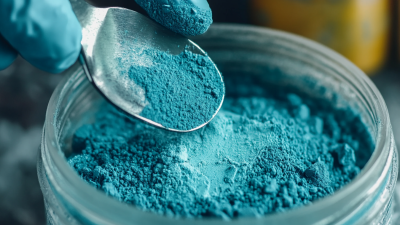
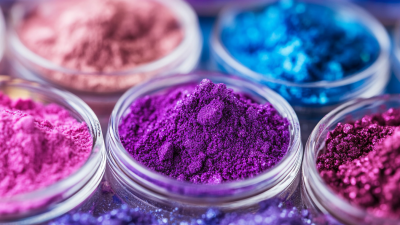
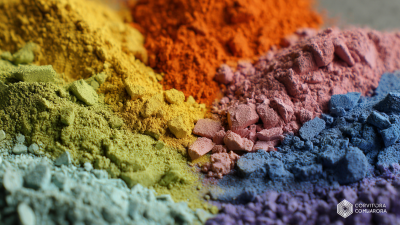
You know, the demand for Mica Paint Powder is really set to take off, and it’s all thanks to some cool trends popping up across different industries like cosmetics, automotive, and construction. A recent market research report had some interesting news—it says the global mica market could hit about USD 1.5 billion by 2025! A big chunk of that is expected to come from creative uses of mica in paint formulations. Now, Trust Colors Technology Co., Ltd. from China is totally in the right spot to ride this wave. They’ve been around for over 15 years, bringing us all sorts of fantastic effect pigments, special inks, and those mesmerizing magic paints.

As things move forward, the tech behind Mica Paint Powder is gonna make our products not just more visually appealing but also way more functional, shaking up global supply chains in the process. By getting in on digital trends and focusing on sustainability, companies like Trust Colors are ready to meet the changing needs of both business and personal use. It’s exciting to think that their products will keep delighting users around the globe!
Shifting Paradigms: The Rise of Synthetic Mica Alternatives in Paint Production
You know, the paint production industryis really on the verge of a big change, thanks a lot to the rise of Synthetic Mica alternatives. Traditional mica has been under the microscope lately because of some pretty seriousethical and environmental issues, and that’s giving synthetic options a real boost. It’s interesting to think that the mica market is projected to grow steadily from 2025 to 2035. This shift isn’t just a change in materials; it’s also a chance for innovation and a real shake-up of global supply chains. It's aligning perfectly with the increasing demand in various sectors, like electronics, construction, and cosmetics—pretty exciting stuff, right?
Trust Colors Technology Co., Ltd. has been leading the charge in this transformation for over 15 years, offering a fantastic range of effect pigments and innovative paints. We’re really committed to sustainability and performance, which means our products are designed for all sorts of applications—whether you’re a business or just a DIY enthusiast. Even as synthetic mica options become more common, we’re sticking to our guns when it comes to quality. We want to make sure our customers always get top-notch solutions!
So, if you're thinking about using synthetic mica in your projects, make sure to choose suppliers that are serious about sustainability and ethical sourcing. And hey, don't be shy about experimenting with different types of synthetic mica! You might just discover new creative possibilities and unique finishes for your paint work. Lastly, keep an eye on market trends and new technologies; that way, you can stay ahead in this ever-evolving paint production scene.
Enhancing Transparency: Innovative Tracking Technologies for Mica Supply Chains
You know, we’re living in a time where sustainability and ethical sourcing are super important, right? Well, it looks like some really cool tracking technologies are gearing up to change the game for mica supply chains by 2025. With a big focus on transparency, blockchain tech is stepping in as a powerful tool to help trace where mica is coming from. It’s a crucial ingredient in all sorts of products, especially in cosmetics and paints. According to a recent report from the European Commission's Joint Research Centre, using blockchain can really amp up how we trace the materials that go into production. This way, we can make sure they are sourced responsibly and sustainably.
Companies like Trust Colors Technology Co., Ltd. are really pushing for a diverse range of effect pigments and special inks, so tapping into these innovative solutions is pretty essential. By using digital assets and decentralized applications to boost supply chain transparency, businesses can take on challenges like counterfeit materials and unethical mining practices. And get this—reports show that industries adopting blockchain have seen some nice boosts in how efficiently they operate. That could mean saving a pretty penny and building more trust with consumers. Plus, some pilot programs in other sectors hint that we can apply the same ideas to mica sourcing, making the supply chain more robust against hiccups and reinforcing our commitment to sustainability.
Future Innovations in Mica Paint Powder Technology Shaping Global Supply Chains by 2025
| Innovation Type | Description | Impact on Supply Chain | Implementation Year |
| Blockchain Tracking | Utilizing blockchain for real-time tracking of mica sources and supply chain transparency | Enhances accountability and trust amongst stakeholders | 2025 |
| AI-Driven Analytics | Employing AI to predict supply chain disruptions and optimize logistics | Improves efficiency and reduces delays | 2024 |
| Enhanced Environmental Monitoring | Tools for monitoring the environmental impact of mica extraction | Promotes sustainable sourcing practices | 2025 |
| Smart Contracts | Automated contracts that ensure compliance with sustainable practices | Facilitates fair compensation and ethical sourcing | 2023 |
| Mobile Tracking Apps | Development of mobile applications for tracking mica origin by workers | Empowers workers and enhances traceability in the supply chain | 2024 |
Sustainability Matters: Eco-Friendly Practices in Mica Mining and Processing
You know, the mica industry—it's pretty crucial for things like cosmetics and electronics—has been feeling the heat to go green lately. A report from the Responsible Mica Initiative back in 2021 revealed that around 30% of mica sourced globally is tied to illegal mining, especially in places like India and Madagascar. It’s not just a moral issue; it’s also messing with the environment. So, in response, some companies are starting to adopt eco-friendly mining techniques that focus on cutting down on land damage and ensuring responsible sourcing.
And get this, there's also been some cool new tech popping up in mica processing that aims to cut down on waste and save energy. The World Economic Forum even mentioned that if businesses jump on the sustainability bandwagon, they could slash production costs by as much as 20% and still boost product quality! Plus, by using alternative materials and synthetic mica, the overall environmental footprint can take a significant hit. As companies gear up for a more sustainable supply chain, these changes will be super important to keep up with consumers who want transparency and ethical sourcing by 2025.

Global Collaborations: The Role of International Regulations in Mica Supply Chains
You know, as global supply chains are shifting and changing, the mica paint powder industry is pretty much on the brink of a big change. This is all thanks to international regulations that are really putting the spotlight on responsible sourcing and human rights. Countries really need to team up and work together to create some solid frameworks. These frameworks should not only help them stick to local laws but also tackle the serious ethical issues that come with mica mining and processing. Lately, advocacy groups have been raising their voices, pushing for better regulatory oversight, which is kind of similar to what we’re seeing with stronger regulations in the cryptocurrency world. They want to make sure consumers are protected and that everything’s a bit more transparent.
More and more countries are zeroing in on mainstreaming human rights into their supply chains, especially in industries that deal with raw materials, like mica. This shift involves putting comprehensive policies in place that line up with international standards. In the end, it’s all about building a more sustainable and fair mica supply chain. Just like how the cryptocurrency world needs unified guidelines to make sense of the whole scene, the mica industry could really use some global teamwork that prioritizes ethical practices. It's super important that companies are held accountable for how they source their materials. Considering how interconnected today’s markets are, any advancements in regulations can seriously change the way mica paint powder is made and sold around the world.
Emerging Markets: How Mica Paint Powder is Influencing Supply Chains in Developing Countries
You know, there’s been quite a shift happening in emerging markets lately, especially when it comes to supply chains, all thanks to the growing demand for mica paint powder. A recent report from Market Research Future reveals that the global mica market is set to grow at an annual rate of about 8.2% from 2020 to 2025. This jump is largely fueled by how Mica Powder is being used more and more in cosmetics, automotive coatings, and various other industries. As countries that are still developing ramp up their production capabilities, we’re really starting to see how this impacts both local economies and global supply chains, and it’s pretty significant.
On top of this, research from Grand View Research shows that the cosmetic industry alone gobbled up around 32% of mica consumption in 2022. This really highlights just how crucial sustainable sourcing practices are for developing nations. Take India, for instance; it's one of the largest mica producers, but it has a tough time ensuring that mining practices are ethical. The good news, though, is that as companies become more transparent about their supply chains, we can expect to see more collaborations between industries and local communities. This is likely to boost economic conditions and sustainability efforts in these regions. It’s really a neat blend of innovation and responsibility that’s shaping the sector and influencing global trade dynamics as we head toward 2025.
Future Innovations in Mica Paint Powder Technology: Impact on Global Supply Chains by 2025
Future Trends: Predicting the Impact of AI and Automation on Mica Powder Production
Looking ahead to 2025, it's pretty clear that AI and automation are set to shake up the mica powder production scene in a big way. With the latest advancements in machine learning, we can really fine-tune the production processes, making quality control super precise and output consistent. Plus, these automated systems are not just cranking up efficiency; they’re also cutting down on those pesky human errors that have been a real headache in mica processing for ages. It’s exciting to think about how these innovations could help streamline operations, cut down on waste, and boost the reliability of mica powder supplies overall.

On top of that, introducing AI-driven predictive analytics could really change the game for supply chain management in the mica industry. By digging into data on market trends and what consumers are asking for, companies will be much better at predicting their needs. This way, their production can really sync up with those market shifts. Not only does that make for better profits, but it also helps businesses build solid, sustainable relationships with both manufacturers and their end users. As AI and automation keep developing, I think it’s safe to say that they’ll make a huge impact on mica powder production, paving the way for a more agile and resilient global supply chain.