Inquiry
Form loading...
As counterfeiting becomes a universal challenge, the demand for modern Anti-Counterfeiting Materials has dramatically increased. By 2025, the world trends are moving towards a complete transformation of this manufacturing premise, spearheaded by technological innovation and enhanced awareness of the economic and reputational risks associated with counterfeit goods. Industries worldwide are now investing in advanced solutions to protect their products against counterfeiting, giving birth to an ever-dynamic market worthy of exploration.
With Baoding Yuhe New Material Technology Co. Ltd. at the heart of this evolution, anti-counterfeiting materials assure producers not only with integrity but also a means to develop trust with consumers. Our know-how in new material technology enables the company to meet its rapidly increasing demands, ensuring that our clients are fully equipped to fight the counterfeiting threats while staying loyal to their competitive edge commercially.
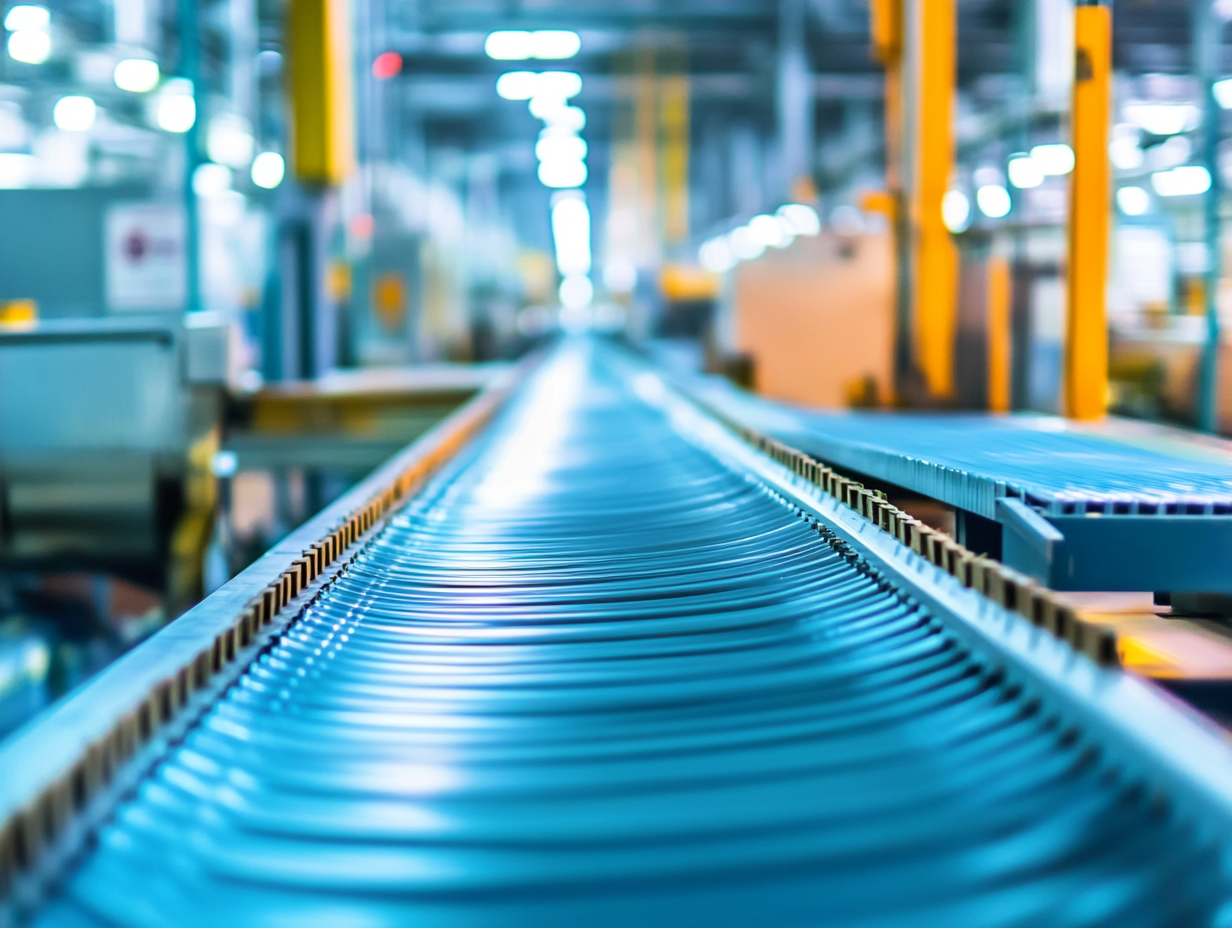
The growing focus on sustainability is providing a fast-paced environment for anti-counterfeiting materials. By 2025, manufacturers will be expected to use eco-friendly materials aimed at not only assuring product authenticity but also reducing environmental impacts. The conversion to applied sustainable practices in the production of packaging and labeling is fueled by an escalating demand for anti-counterfeit solutions.
The global anti-counterfeit packaging market will likely reach $455.77 billion by 2031, thus strongly committing itself to the protection of consumer health and safety. The industries facing a growing wave of counterfeit goods find innovation in automatic identification and data capture technology of utmost importance, enhancing traceability and product authentication while working toward sustainability, and helping tackle the immediate challenges posed by counterfeiting across various sectors, particular in pharmaceuticals.
Counterfeiting is a considerable trouble almost every industry faces; its continuous rise puts critical implications regarding product safety and consumer trust. Above all, widespread counterfeit medication trafficking has emerged as a serious public health concern made worse by the growth of online pharmacies. It indicates the high time for establishing some stringent anti-counterfeiting solutions and technologies capable of ensuring the authenticity of products.
As a result, the market of anti-counterfeit packaging is on considerable growth. This market is likely to elevate from $157.26 billion in 2023 to around $455.77 billion by 2031 and is pivoting based on advanced authentication and tracking technologies. As businesses invest more in smarter packaging solutions to combat counterfeiting, they will secure themselves regarding brand protection against evolving threats.
Indeed, by 2025, all the countries in the world would really have regulations for counterfeiting. How much would that affect the manufacturing terrain? Today, there is a strict progenitor, a stringent guideline that goes by the rule of showing manufacturers the importance of advanced pack design with latest anti-counterfeiting technologies. It benefits the consumer more directly as well--adding layers of security between them and potentially harmful products from pharmaceuticals, automotive parts, and consumer goods.
The anti-counterfeiting packaging market would also boom massively by the early 2030s. Companies have to be nimble and agile, ready to comply quickly with the new rules as far as possible. The consortium that supports AIDC might also be advocating stronger authentication for products. All manufacturers compliant to these technologies are assured of not only being in conformity with rules but with a competitive advantage, especially since the market will be shifting towards a greater focus on safety and reliability.
While all this sounds good, consumer awareness has been the last frontier in counterfeiting-history in the manufacturing sector, chiefly in pharmaceuticals. Just as the market for coding and marking systems turns global, so does consumer awareness about the authenticity of their products. Estimates show that some one in ten products in developing countries is a counterfeit drug; hence the urgency for the most robust anti-counterfeiting measures may never be so high as today. Layering is increasingly being adopted by packaging manufacturers, where high-tech features are applied to the product so that consumers can readily authenticate the product.
According to forecasts, the anti-counterfeit pharmaceutical packaging market will grow even faster in the following years, with development rates projected at a staggering CAGR of 12.54% during the years 2024-2032. Product manufacturers are innovating towards the use of smart packaging and transparent code serialization techniques, harnessed to the ever-increasing consumer demand for security and transparency. As consumers become more educated about living with counterfeit products, so do their needs for safer and more reliable packaging, fostering further advances in anti-counterfeiting technologies.
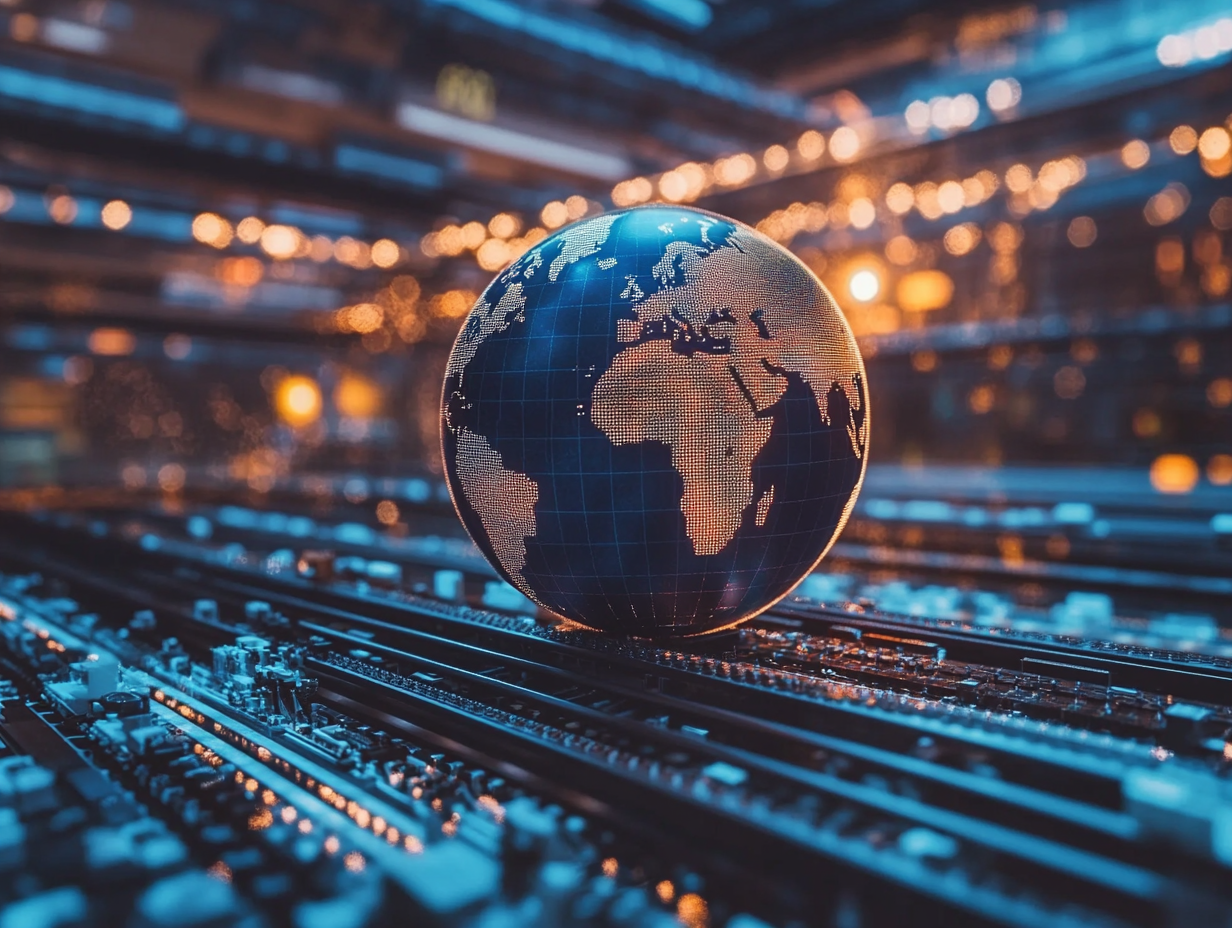
Innovations of smart packaging solutions are transforming the way industries fight against counterfeiting-the pharmaceuticals and cosmetics industries, in particular. With the growing popularity of stringent anti-counterfeiting measures, companies have gotten interested in embedding modern technologies, including authentication and track-and-trace capabilities, into the packaging. And it is not only an additional security measure against counterfeiters: they can also boost consumer confidence in safety and integrity.
The anti-counterfeiting packaging market is set to witness an impressive rise at a CAGR of US$1.2 Billion from 2025 to 2035. The driving factors for this growth are increasing concerns over counterfeit products, affecting consumers' health and the credibility of brands. With the ongoing evolution in smart packaging, applications will continue proliferating in the healthcare and automotive spaces, indicating a move towards smarter packaging solutions that answer modern market demands.
The anti-counterfeiting material manufacturing sector is on the verge of booming growth by 2025 as a result of the rising number of consumers concerned about the authenticity of products consumed and the ever-increasing sophistication of counterfeiting operations. Valued at approximately USD 165.74 billion in 2024, the global anti-counterfeit packaging market will see a mighty upsurge of value to USD 571.77 billion between 2034, thus showing a strong market trend within innovation and creating awareness for product protection.
Among the growth areas is included the pharmaceutical packaging sector, which grows rapidly due to frightening figures concerning counterfeit drugs. The annual compound growth rate of 12.54% is likely to be recorded from 2024 up to 2032, while several firms in the pharmaceutical sector invest heavily in the high-tech anti-counterfeiting technologies. The automatic identification and data collection market also goes up, as it is estimated to increase to USD 136.6 billion by 2030 as part of the industry's overall initiative to improve product authentication.
By 2025, the public-private collaboration will be instrumental in fighting counterfeiting. New developments in the pharmaceutical sector have made it even more critical to include up-to-date anti-counterfeiting elements into packaging. Emerging trends show that packaging manufacturers have begun adopting a layered cover and intervention type systems comprising multiple features to protect brands and consumers, which significantly reduce the threat from counterfeiting and build confidence among consumers.
Government initiatives also play a very critical role in pushing forward such partnerships between industries to fight counterfeiting. The government would have developed stringent, anti-counterfeiting regulation while ensuring that innovative technologies are funded to enable the generation of a secure and credible pharmaceutical supply chain. With these collaborations, it shapes a greener future where counterfeit products are substantially reduced, ensuring the safety and integrity of pharmaceutical goods as policymakers focus much more on smart manufacturing solutions and sustainable packaging initiatives.
The evolution of materials and technology in anti-counterfeiting globally will witness the setting up of various technologies to counter the menace of counterfeiting, especially in industrial sectors like pharmaceuticals. Counterfeited drugs compromise 1 in every 10 products in developing countries, making safe packaging a matter of utmost concern. Advanced technologies such as holograms, QR codes, or a special designation are integral in verifying product authenticity and ensuring patient safety.
Further, advancements in packaging design are adopting a layered approach where multiple anti-counterfeiting features are integrated. This option will not just realize elevated levels of security for pharmaceuticals' packages but also builds up brand equity and security. With the anti-counterfeit packaging market rising in sales, these new technologies must not only be adopted to counter the threats of counterfeiting but also to feasibly protect consumers.
The international fight against counterfeiting is stretching itself, with regions continuing to make great strides in terms of developing their anti-counterfeiting mechanisms. Countries like India are actually bracing themselves for stricter market regulation and increased consumer awareness, both of which are crucial in reducing the prevalence of counterfeit goods. Such approach underscores the need to share insights across borders leading to a collective front against this ever-existing problem.
There is innovation in packaging and labeling to enhance security features against counterfeiters. The security labels market is booming in growth as demand for advanced security measures continues rising. It is also important to note that sustainability will include the trend toward exo-friendly packaging formats because brands are shifting to greener measures. This synergy between marketplace trends and anti-counterfeiting initiatives will shape the strategies of leading markets globally by 2025.
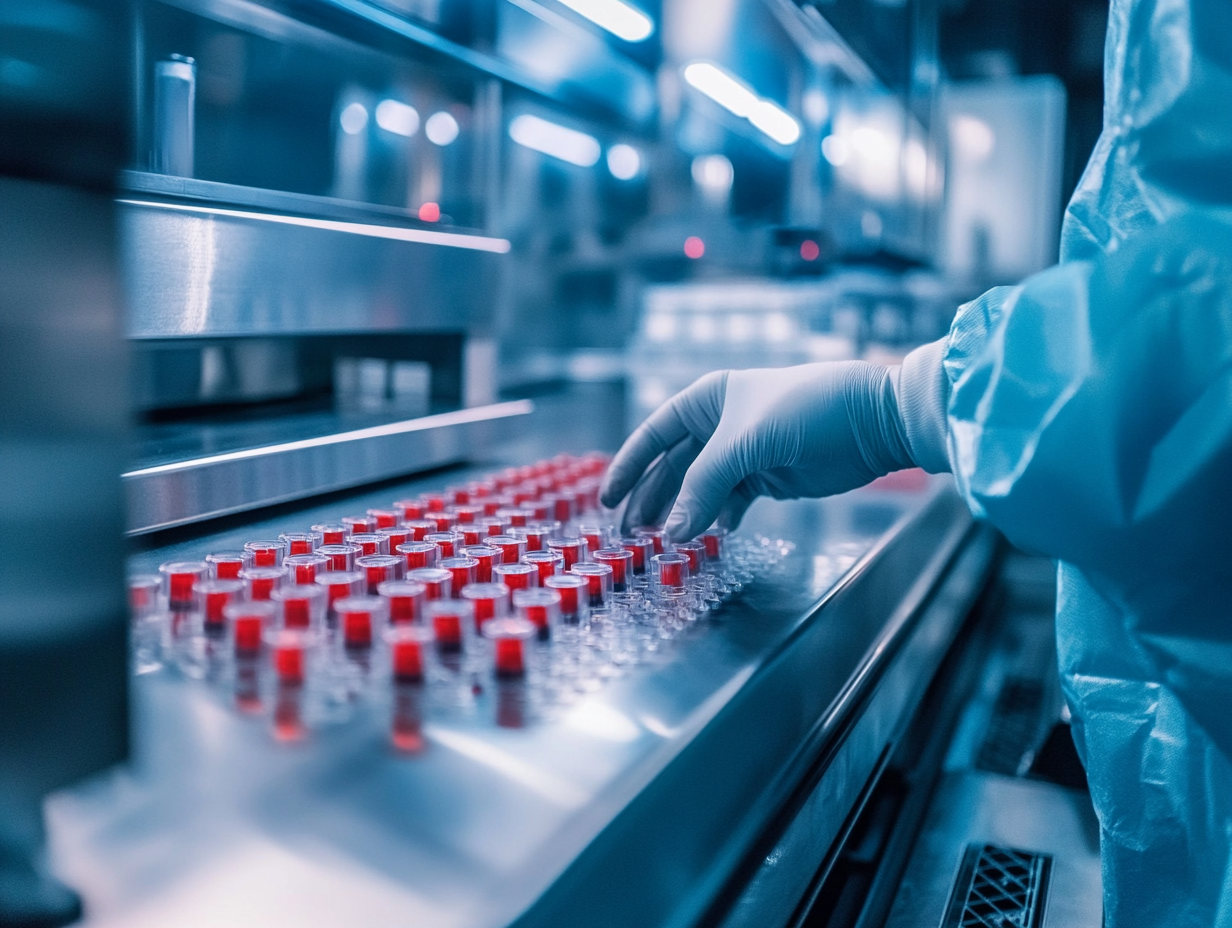
Counterfeiting remains a significant challenge, particularly with the global counterfeit drug trade escalating into a serious public health crisis, driven by the rise of online pharmacies.
The anti-counterfeit packaging market is projected to grow from $157.26 billion in 2023 to $455.77 billion by 2031, fueled by advanced authentication and tracking technologies.
Key technologies include holograms, QR codes, and unique identifiers, which help ensure product authenticity and enhance patient safety, especially in pharmaceuticals.
With counterfeit drugs affecting 1 in 10 products in developing countries, there is a critical need for secure packaging solutions to protect consumers and ensure safety.
The sector is expected to experience explosive growth, with the global anti-counterfeit packaging market projected to reach approximately USD 165.74 billion in 2024 and surge to USD 571.77 billion by 2034.
The pharmaceutical packaging segment is rapidly expanding, with a projected compound annual growth rate of 12.54% from 2024 to 2032 due to the alarming rise in counterfeit drugs.
The AIDC market involves technologies that enhance product authentication processes and is expected to reach USD 136.6 billion by 2030, reflecting a commitment across industries to improve product security.
Businesses are prioritizing investments in smarter packaging solutions and advanced anti-counterfeiting technologies to enhance brand protection and ensure consumer safety.
The ongoing rise in counterfeiting undermines consumer trust and poses significant risks to product safety, prompting the need for robust anti-counterfeiting measures.
The growth of online pharmacies has exacerbated the counterfeit drug trade, highlighting the urgent need for enhanced anti-counterfeiting solutions to protect public health.