Lately, it seems like everyone’s really into new, innovative materials, especially when it comes to glow-in-the-dark stuff. If you look at the market, it’s been growing pretty fast. Like, according to MarketsandMarkets, global sales of glow-in-the-dark products are expected to hit around 2.7 billion USD by 2025. It’s all due to more and more industries finding cool ways to use these effects—think cars, defense gear, even everyday consumer products.

One company that’s been a big player in this scene is Colors Technology Co., Ltd., based in China. They've been around for over 15 years, crafting a wide variety of effect pigments, special inks, and magical paints. Using glow-in-the-dark tech really lets brands boost the look of their products, but it’s not just about style — it can also make things safer and more functional. Whether it’s for business, industrial projects, or just personal ideas, adding glow-in-the-dark touches with Trust Colors' innovative stuff can really wow customers and turn ordinary ideas into something special.
Understanding Glow In The Dark Technology: Principles and Types
Glow-in-the-dark tech works based on this cool thing called photoluminescence. Basically, certain materials soak up light energy when you shine it on them, store that energy up, and then glow softly for a while after the light's gone. This idea actually goes way back to the discovery of phosphorescent materials — those are the stuff that can keep glowing for quite some time after being charged. If you’re into market stuff, you might find it interesting that, according to a report from Grand View Research, the global market for these glowing materials is projected to hit over $1.65 billion by 2025. That’s a clear sign that glow-in-the-dark is gaining ground in all sorts of areas — from consumer gadgets and safety gear to art installations and more.
Now, talking about the main players—there are two main kinds of glow-in-the-dark stuff: zinc sulfide and strontium aluminate. Zinc sulfide was kind of the original — it gives off a greenish glow but doesn’t last very long. On the flip side, strontium aluminate is a game-changer. It glows brighter and keeps its glow for up to 12 hours after you’ve flashed it with light. The folks over at the National Institute of Standards and Technology mention that this newer material is way better at absorbing light and staying luminous longer, making it perfect for all sorts of modern uses. You’ll see it popping up in everything from fancy interior decor to emergency signs. As we keep learning more about how glow-in-the-dark technology works, it’s pretty exciting to think about all the creative and practical ways it can be used in the future.
Applications of Glow In The Dark Materials in Various Industries
Glow-in-the-dark tech has really started to make its mark across all sorts of industries. It’s pretty exciting to see how it's opening up new ways to boost safety, add cool aesthetic touches, and improve functionality. Take the auto world, for example—according to a report by Grand View Research, the market for glow-in-the-dark materials is expected to hit around $4.65 billion by 2027, and a good chunk of that comes from car-related uses. You’ve probably noticed these materials on things like road signs that glow at night or emergency exit routes — all designed to help people see better when it’s dark out, which can seriously cut down on accidents.
On the consumer side of things, glow-in-the-dark stuff is becoming pretty popular in home decor and fashion. Research and Markets pointed out that more homeowners and designers are starting to use Luminescent Paints and accents in their projects—think walls in kids’ bedrooms or even in toys — making the dark a little less intimidating and also more fun. It’s pretty cool because it’s not just about looks; these glow-in-the-dark features actually add a safety element, helping families navigate better in the dark. And with that demand, manufacturers are pouring more investment into better phosphorescent ingredients, which means endless creative possibilities for designers, builders, and really anyone looking to add that touch of magic.
All in all, it’s a trend that’s evolving fast, and honestly, it just keeps getting more interesting!
Applications of Glow In The Dark Materials in Various Industries
Innovative Project Ideas Using Glow In The Dark Features
Glow-in-the-dark tech is honestly pretty amazing when it comes to jazzing up all sorts of projects across different areas. One cool idea I’ve come across is using glowing elements in interior design. Imagine a kid’s bedroom with stars that glow on the ceiling — it’s like having a tiny night sky right above their bed! It’s not just cute, either; it actually helps make the space feel cozy and magical, which is pretty awesome when you’re trying to get little ones to settle down. And mixing glow-in-the-dark paint into furniture or wall art? That can turn everyday stuff into interactive, fun pieces that surprise family and guests alike.
On the outdoor side of things, glow-in-the-dark paths and garden decorations are a real game-changer. By adding glow-in-the-dark aggregates into concrete or painting stepping stones with luminous paint, you make walkways that are both safe and pretty eye-catching after dark. They light up at night, guiding your steps and giving your garden a lovely, enchanting vibe. Plus, tossing in glow-in-the-dark accents in things like planters or garden stakes can make evening get-togethers a lot more fun — everyone loves a bit of magic under the stars!
All in all, this kind of glow-in-the-dark stuff can really turn an ordinary project into something pretty special and memorable.
Tips for Selecting the Right Glow In The Dark Products
Whenever you're diving into projects with glow-in-the-dark tech, picking the right products really makes all the difference in getting that perfect glow. I’d start by thinking about the kind of material you want to use and how bright you need it to be. You see, some glow-in-the-dark stuff—like powders or paints—can vary quite a bit when it comes to brightness and how long they actually glow. If you’re after something that sticks around for a while, go for high-quality phosphorescent materials—they tend to glow longer after light exposure.
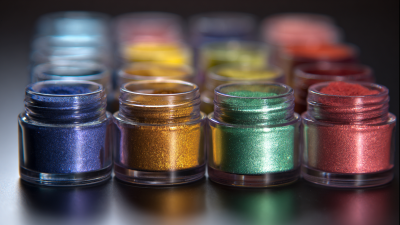
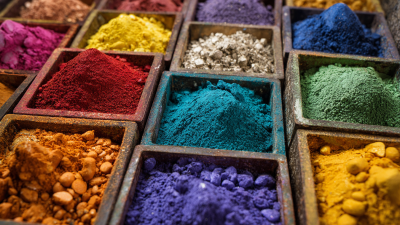
Also, don’t forget to consider the color and how intense the glow looks. These products come in all kinds of hues—from bright green and soft blue to even pink. So, depending on what vibe you’re going for, pick a color that really fits your design. And a quick tip: always check out reviews and certifications before buying. It’s a good idea to make sure the stuff is safe and reliable for your project. If you can, test out some samples first—playing around with them in different settings can really help you see how they perform. That way, you'll be more confident your project turns out just right.
How to Harness the Power of Glow In The Dark Technology for Your Projects - Tips for Selecting the Right Glow In The Dark Products
| Product Type | Application | Luminescence Duration | Glow Color | Best Use Cases |
|
Glow In The Dark Paint | Art Projects | Up to 8 Hours | Green | Murals, Children's Rooms |
| Glow In The Dark Tape | Safety Marking | 5-7 Hours | Yellow | Stair Edges, Emergency Exits |
| Glow In The Dark Resin | Crafting | 6-10 Hours | Blue | Jewelry, Decorative Items |
| Glow In The Dark Stickers | Decorative | 3-5 Hours | Pink | Children's Crafts, Party Decorations |
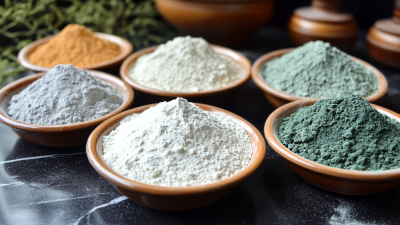
| Glow In The Dark Powder | Mixing with Other Materials | 8-12 Hours | White | Resin, Paint, Clay |
DIY Projects to Explore Glow In The Dark Technology
Diving into glow-in-the-dark tech can be a total game-changer for DIY projects — kinda cool how it sparks creativity for both kids and grown-ups! One fun idea is to make glowing decorations for parties or events like Halloween or even weddings. Imagine artfully painting jars or ornaments with glow-in-the-dark paint; it’s like turning your space into something straight out of a fairy tale once the sun goes down. You could also get creative with glowing paintings or make your own nightlights to add a cozy, magical vibe to any room. It’s not just about looks, either — these projects can be super practical and pretty darn fun to make.
And hey, glow-in-the-dark tech doesn’t stop at decorations. People are even experimenting with biological stuff — crazy, huh? From glowing plants to, believe it or not, glowing pets, thanks to some wild Kickstarter campaigns focused on bioluminescence. If you’re into biohacking, you might try creating your own glowing greenery to spice up your garden or indoor spaces. Thanks to advances in bioluminescent tech, the options are practically endless. It’s a really cool way to add a personal, luminous touch to everyday life — totally unique, kinda magical, and a little bit experimental.
Challenges and Considerations in Using Glow In The Dark Materials
So, when you're thinking about using glow-in-the-dark materials for your projects, it’s good to keep in mind some of the tricky parts and things to consider. One of the main issues is that these materials need to be charged up properly before they'll actually glow. Basically, you need to expose them to enough light first, which isn’t always super convenient depending on what you're working on. Plus, how bright and how long they glow can really vary a lot, depending on the specific phosphorescent stuff you pick.
Pro tip: To get the best results, try to choose materials that have a nice sweet spot between brightness and glow duration. Doing some quick tests with different brands or types can really help you figure out what works best for your project. And hey, if you want the glow to stand out even more, adding some reflective elements can make a big difference, especially in darker settings.
Another thing to think about is how long these glow-in-the-dark things will actually keep glowing. Over time, exposure to sunlight, weather, or just regular wear and tear can dull their glow. So, it’s smart to consider how your project will hold up, especially if it’s going outdoors or gets handled a lot. Putting a clear sealant or a protective coating on it can help it last longer and keep performing well over time.
FAQS
: Glow-in-the-dark materials are utilized in several industries, including automotive, home décor, fashion, and safety features, enhancing visibility and aesthetics.
The glow-in-the-dark materials market in the automotive sector is projected to reach $4.65 billion by 2027.
These materials improve safety through applications like glow-in-the-dark road signs and emergency exit paths that enhance visibility in low-light conditions, reducing accidents.
Consumer products include glow-in-the-dark paints used in home décor, children’s bedroom walls, and toys that provide safety and a playful element in nighttime environments.
Challenges include the need for adequate charging from a light source, variability in brightness and glow duration, and long-term stability affected by environmental factors.
To maximize effectiveness, choose materials with the optimal glow duration and brightness, test different brands, and consider using reflective materials to enhance visibility.
Exposure to light, environmental conditions, and wear can diminish the luminescent properties, making it essential to assess a project's durability regarding these conditions.
Proper sealing or using a protective coating can help extend the life and performance of glow-in-the-dark materials against wear and environmental exposure.
Conclusion
In the article 'How to Harness the Power of Glow-in-the-Dark Technology for Your Projects,' we dive into how these materials work and the different types out there. It’s pretty cool to see how versatile they are, showing up in all sorts of industries. Whether you’re brainstorming some innovative project ideas with glow-in-the-dark features or just looking for practical tips on picking the right products, this guide really highlights how these materials can boost creativity. Oh, and if you're into DIY stuff, there are some fun project ideas too—perfect for experimenting in your own personal endeavors.
Of course, there are a few challenges and things to keep in mind when you're working with glow-in-the-dark materials. We cover those too, so you get a well-rounded understanding of how to incorporate them successfully into your projects. At Trust Colors Technology Co., Ltd., we’re proud to offer a wide range of effect pigments, special inks, and magic paints—including glow-in-the-dark options. Whatever your needs—industrial, commercial, or just for fun—we want to help you achieve awesome results every time.