Inquiry
Form loading...
High-quality Mica Powder is more emphasized in the world of cosmetics, crafts, and industrial applications. This is a naturally occurring mineral that is prized for its distinct shimmering qualities and versatility, attracting both manufacturers and artisans. However, Mica Powder has to be sourced from the right suppliers who adhere to industry-stipulated standards and metrics because of its growing demand. One such company is Colors Technology Co., Ltd. with over 15 years of experience in the industry serving a particular niche regarding high-quality effect pigments, special inks, and magic paints.
Trust Colors does more- from industrial to commercial and personal applications- they also ensure that every product fulfills the criteria of excellence and innovation. While identifying the top indicators of great Mica Powder Suppliers, we will focus on those metrics of quality necessary for guiding selection. Whether you are a manufacturer in quest of materials or an artist seeking that not-quite-right shimmer, having this information will empower you to reach your projects and goals much higher by making informed choices.
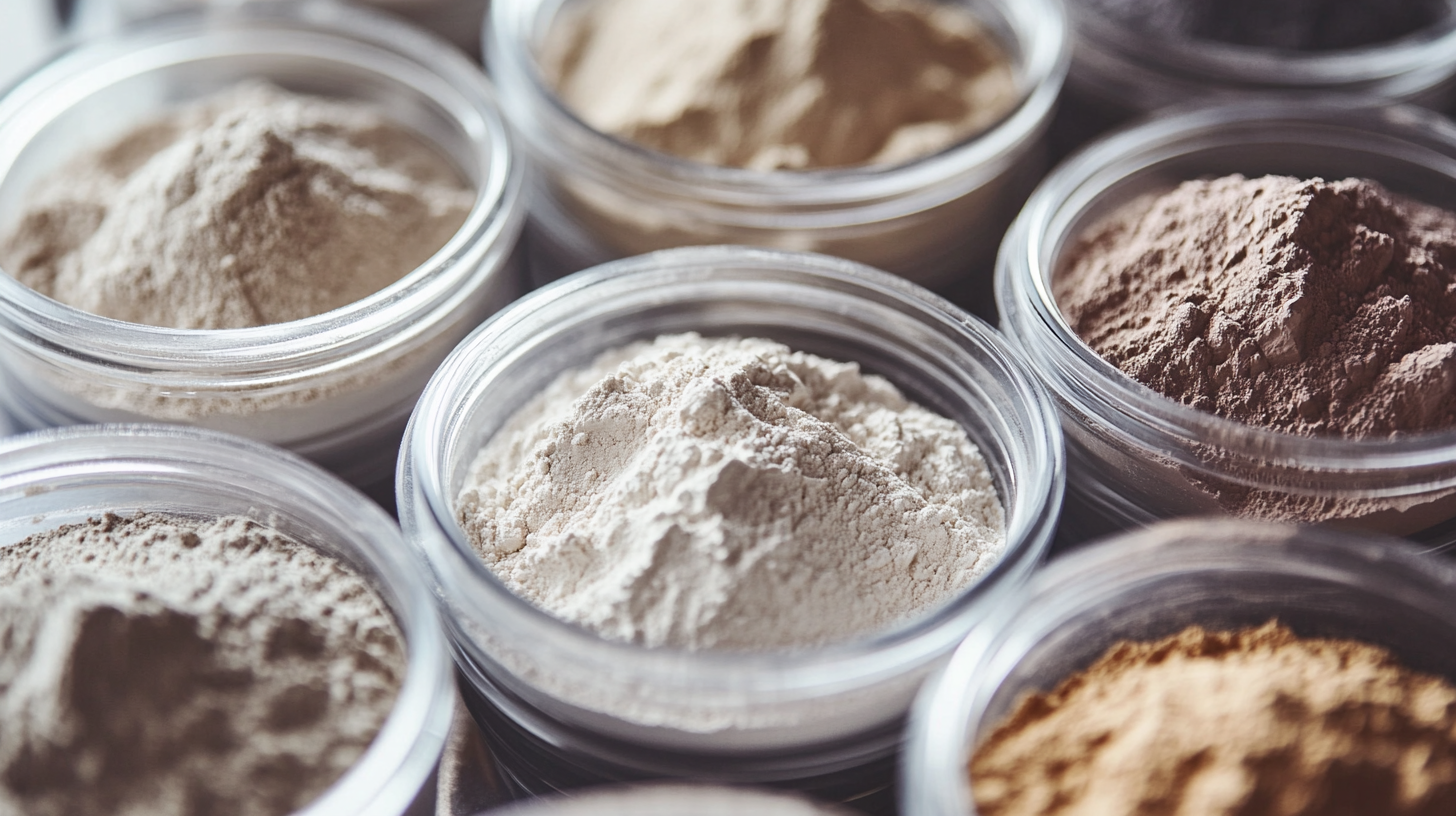
Quality metrics are vital for identifying high agents in the mica powder supply chain. They are the parameters that verify if a particular batch of mica powder meets industry standards and functional requirements. Important quality metrics include purity, particle size distribution, and color consistency, which are essential when determining which application the powder will be best suited for: cosmetics, paints, or more industrial applications.
Purity is very important since it will directly link with the safety and efficacy of the end product. The mica powder itself should have minimal amounts of impurities, which may interfere with the visual and functional characteristics of any finished product, if regarded as high quality. The assessment of particle size distribution will serve to understand the texture of the powder and, in turn, its flowability and adhesion characteristics. Suppliers that can back up their data on these metrics demonstrate an additional commitment to quality and a potential partner in the mica supply chain.
On the other hand, consistent products, quality testing, and open information from suppliers cultivate trust, putting you on a sure footing that what you receive will perform as expected. With an emphasis on these quality metrics, buyers will be able to wade through the jungle of mica powder suppliers and make educated purchasing choices in tune with their own requirements and applicable industry standards.

A key consideration for mica powder suppliers is industry standards; this would imply quality compliance in operation. Mostly important for mineral standards is the international one.
A supplier, therefore, having adhered to such rigorous standards must, through their listing of a number of ISO certifications, show serious engagement in quality control and product consistency. There are safety and environmental criteria that the mica powder has to conform to alongside its operational excellence by adhering to these rigorous standards.
Another important factor that must be accounted for is that of supply chain transparent sourcing practices by which reputable suppliers inform every detail of origin about their mica, mined ethically and sustainably. This transparency has gained increasing importance in the eyes of modern consumers who have become more discerning about the ethical sourcing and environmental footprint of their supply. Suppliers who can give a breakdown of their supply chain will be trusted.
Additionally, quality checks done by a supplier in terms of testing requirements and certifications can give a good comparison of better suppliers. Look for suppliers that do regular lab tests of their mica powder, measuring things like shape ratios, purity, and particle size. Such stringent quality assurances showcase the would-be supplier which demonstrates commitment to quality at the deepest level.
When one wants to look for top-notch mica powder suppliers, the most notable aspects that he or she should take into consideration are certifications and compliance indicators. Most suppliers who can be trusted often provide various certifications that would serve as proof of their adherence to the industry standards, thus ensuring the products meet specific quality requisites. For example, certification like ISO 9001, which clearly indicates that a supplier observes the quality management system, or REACH-compliance within a supplier to denote that he or she adheres to regulations regarding their safe use. Such an indication of certifications enshrines not only the quality commitment of the supplier but also stands secure that the mica powder is in itself safe for application whether in cosmetics or in industrial product development.
Apart from these certifications, it has to do with compliance indicators, which can give insights into the integrity of a supplier. It can have a lot to deal with the environmental compliance regulations or even ethical sourcing with respect to this. Suppliers usually tend to be the more reliable ones, such as being transparent about how they source commodities and providing documentation on their sustainability practices. It could even include a good indication of the supplier's reliability to check if he/she has any third-party audits or has made a recognition out of responsible business practices. Thus, buyers can use such compliance metrics in making their choices thereafter.
Purity and color consistency are the two most important criteria when judging mica powder suppliers because they usually determine the quality of the final product. Mica, a unique mineral with special properties. Mica must be carefully sourced according to industry standards. According to the most recently released Mineral Commodity Summaries from the US Geological Survey, the required purity is not less than 99% for cosmetic-grade mica to comply with safety regulations, and the least possible level of impurities that may affect the end use should be incorporated in the same.
Alongside purity, color constancy has a great significance in both cosmetics and paint industries. For example, a research article published in the Journal of Materials Science indicated that color differences may be very important for consumer perception and the efficacy of a product. Suppliers that can incorporate advanced technologies for color sorting can also afford a closer tolerance for color on the final product, thus ensuring similar shades of mica powder from batch to batch. Uniformity of color adds aesthetic value to a product since it is an indication of its purity-the presence of impurities may sometimes drastically change the color of the material.
Also, the International Cosmetic Ingredient Dictionary & Handbook states that quality mica must manifest a uniform particle size distribution, which ultimately affects the color and transparency. Suppliers with stringent, demanding standards of this nature are capable of delivering customers products that comply with the regulations and requirements of consumers as well. Monitoring these quality metrics can help manufacturers in deciding the best supplier for their specific requirements of high-quality mica powder use.
The evaluation of mica powder suppliers hinges heavily on their transparency in sourcing and manufacturing. Such supplier transparency engenders trust and further ensures conformity with industry standards. Thus, according to International Bureau of Minerals and Chemicals reports, there exists a strong correlation between customer satisfaction, loyalty, and transparency in supply chain planning, as companies that have been characterized by transparency have seen up to a 20% increase in such areas. This clearly points to the rising importance of communicating sourcing practices to customers, especially in industries that depend purely on mica, like cosmetics and automotive.
Traceability of the raw materials would form a major consideration in assessing transparency in suppliers. The foremost suppliers are adopting tracking technologies such as blockchain to follow their mica back to its ethical source. The Responsible Mica Initiative (RMI) states that 40% of mica suppliers declare full traceability, thus enhancing their credibility and reliability. By favoring suppliers that provide it with verifiable sourcing information, companies may avoid falling into the trap of dealing with unethical mining operations generally associated with labor abuse.
For production purposes, suppliers should share details about their manufacturing processes and quality control activities. Just recently, a survey by the Mica Powder Association showed that 60% of buyers would favor suppliers that openly share production parameters. Buyers would want to look at certifications, testing requirements, and product quality reports that conclusively demonstrate the suppliers' commitment to high-quality standards. Transparency in communicating the production process reassures the clients and helps them make informed purchase decisions.
What should be looked at is what goes into the making of prices of these mica powder suppliers. In the first place, the pricing structures could vary considerably from one supplier to another, which makes it all the more important to analyze what it is they are offering in those prices.
Some suppliers will put their price down low, but in return, they will compromise on the quality of their product or give little customer support. Others at a higher price point apply their costs, linking it to higher-quality standards and good service, be it in fast shipping and easier returns. Then that becomes an exercise in value; comparing one price structure against the other to discover who provides true value.
The evaluating of a mica powder supplier, in addition to cost analysis, should also be value-engineered. A strong value proposition can draw on aspects such as sustainable sourcing, certifications, and ethical manufacturing practices. Supplying companies leaning toward environmentally friendly practices or organic options are definitely one stop on the 'good list' for the business that is striving to be sustainably grown. After all, exceptional customer service will take a supplier relationship and turn it into a partnership and one that qualifies for long-term collaboration. Hence, potential buyers should analyze the short-term costs as well as the long-term benefits of dealing with each supplier involved.
In conclusion, finding the right mica powder suppliers means making the right balance between the three factors: price, quality, and service. A good comparison of both pricing structures and value propositions will help you identify a supplier who can meet both your business and ethical requirements.
Customer feedback and reviews serve as vital quality indicators in the evaluation of mica powder suppliers. A recent study by Smithers Pira cites that over 70% of consumers in the cosmetics and paints worldwide give emphasis to product quality as assessed by reviews and experiences from previous buyers. Thus, this implicit trust places high importance not only on determining the purchase of mica powders along with the quality of such powders as perceived via customer input.
Meanwhile, Technavio's research shows that the mica powder market, projected to grow at 5% annually, will now have quality assurance paramount. Suppliers encouraging patrons to review their products and responding to these reviews can show their effectiveness in assuring quality and customer satisfaction. Companies such as Imerys and J. S. R. Group have noted that by integrating customer feedback channels into their supply chain, they have improved their products, yielding a nearly 20% increase in repeat orders.
Nor can the correlation between customer satisfaction and supplier longevity be understated. In a research study conducted by IBISWorld, suppliers that have been consistently rated positively enjoy a competitive edge that translates into long-term partnerships. For mica powder suppliers, encouraging transparent communications and responsiveness to review sites fosters trust and therefore positions them more favorably on industry standards.
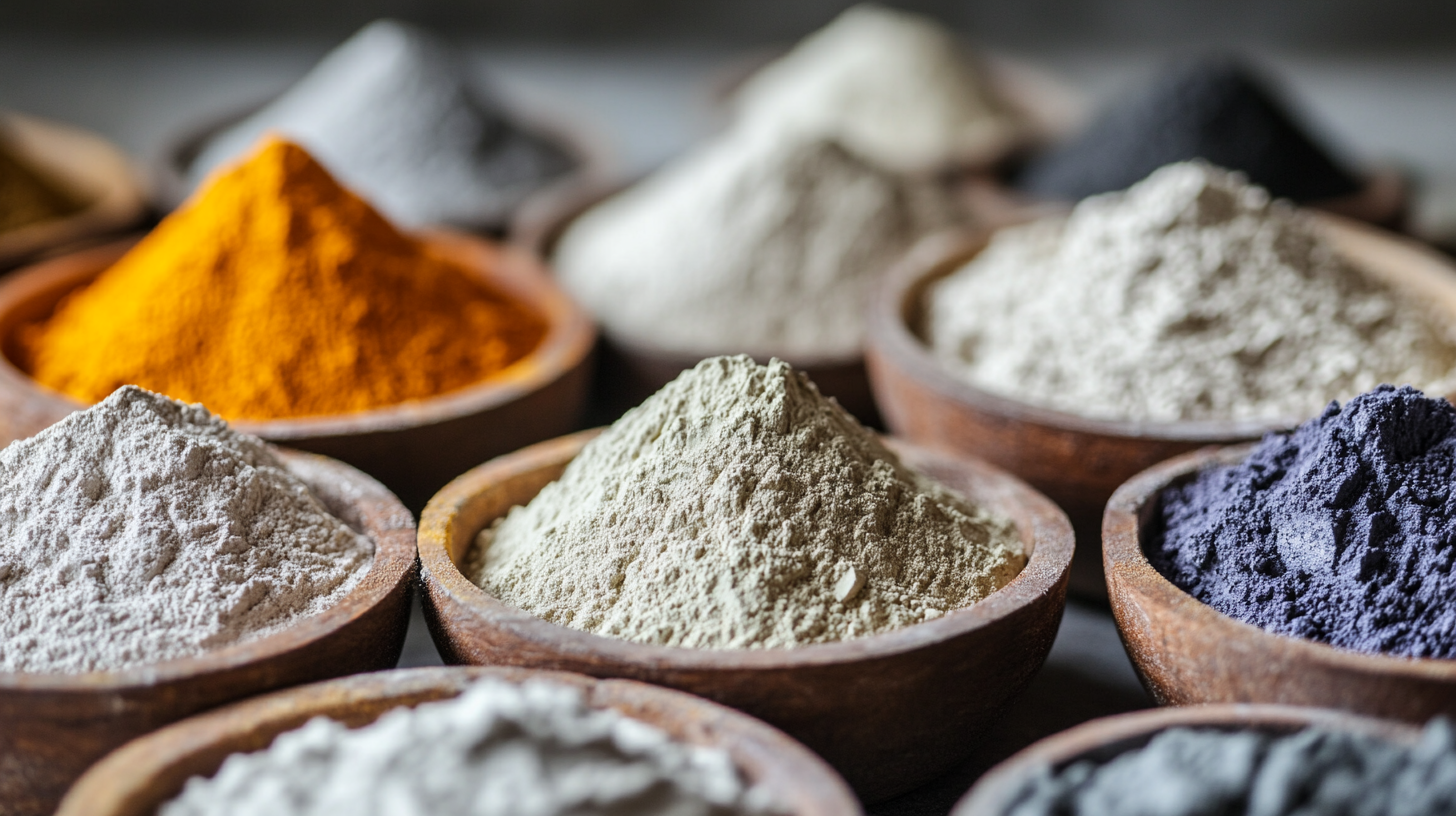
For suppliers dreaming to be recognized superior in the world of mica powder manufacturing, it proves critical to keeping pace with trends and innovations. This is so because the demand for high-quality mica powder is not only sizable in cosmetics but also from various industries, thus requiring manufacturers to meet new standards and changing customer preferences. Among the things supplier must keep an eye on while monitoring market trends is sustainable sourcing-the most significant in addressing consumers' environmental concerns. Such suppliers are also bound to tempt a growing market segment that advocates sustainability, while at the same time fulfilling industry requirements.
In addition, innovations in processing technology play a very important role in improving the quality and consistency of mica powder. Increasingly high milling techniques combined with cutting-edge control measures promise very fine particle-sized grains with improved purity levels leading to higher performance of the product in applications. Suppliers employing these advanced technologies will be able to meet customers' specific requirements thereby increasing their competitiveness in a crowded marketplace. Furthermore, embracing digitalized advance such as real-time quality monitoring will ensure suppliers maintain high standards and react very quickly to variances in production.
Finally, a technical partnership with research institutions can ignite innovation in the manufacture of mica powder. It will allow such suppliers to get into contacts with experts who can explore new applications and develop new formulations that could fundamentally revolutionize the product itself. Staying updated on global policies and industry certification also enables suppliers to not only ensure compliance but also build credibility and trust with their clients. This would be sufficient for one to say that this is the multidimensional approach to trend and innovation monitoring as imperative for any supplier looking to make a mark in this flexible mica powder world.
Look for certifications such as ISO 9001, which indicates a commitment to quality management systems, and REACH compliance, which ensures adherence to safe chemical regulations.
Supplier transparency fosters trust, ensures adherence to industry standards, and can lead to increased customer satisfaction and loyalty.
Investigate if the supplier is transparent about their sourcing methods and provides documentation on sustainability practices, as well as whether they have undergone third-party audits.
Traceability ensures that mica is sourced from ethical mines, helping businesses avoid engaging with suppliers linked to unethical practices or labor abuses.
Leading suppliers are utilizing technologies like blockchain to track the origin of their mica, enhancing their credibility and providing verifiable sourcing information.
Suppliers should share detailed insights into their manufacturing processes, quality control measures, certifications, testing protocols, and product quality reports.
Prioritize suppliers who can provide clear documentation on their sourcing practices and have been recognized for responsible business practices.
Transparent communication regarding production not only reassures clients but also empowers them to make more informed purchasing decisions.
Approximately 40% of mica suppliers report full traceability, which enhances their credibility and reliability.
Compliance with industry standards and regulations ensures that the products are safe and of high quality, which is essential for both consumer trust and regulatory adherence.