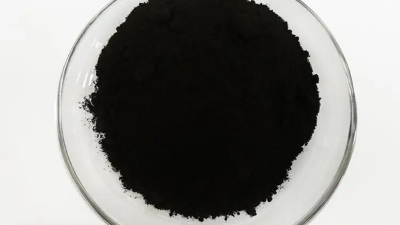
Hey there! You know, the pigment industry has really been shaking things up lately. More and more folks are looking for sustainable and versatile alternatives to traditional Pigment Powder Mica. It's kind of interesting how times change, right? A recent report from Mordor Intelligence predicts that the global pigment market could hit a whopping USD 19.17 billion by 2026! That's mainly thanks to new manufacturing technologies and a growing love for eco-friendly products. Trust Colors Technology Co., Ltd., over in China, has been doing its thing for more than 15 years, specializing in effect pigments, special inks, and even some magical paints! They serve all sorts of industries and applications.
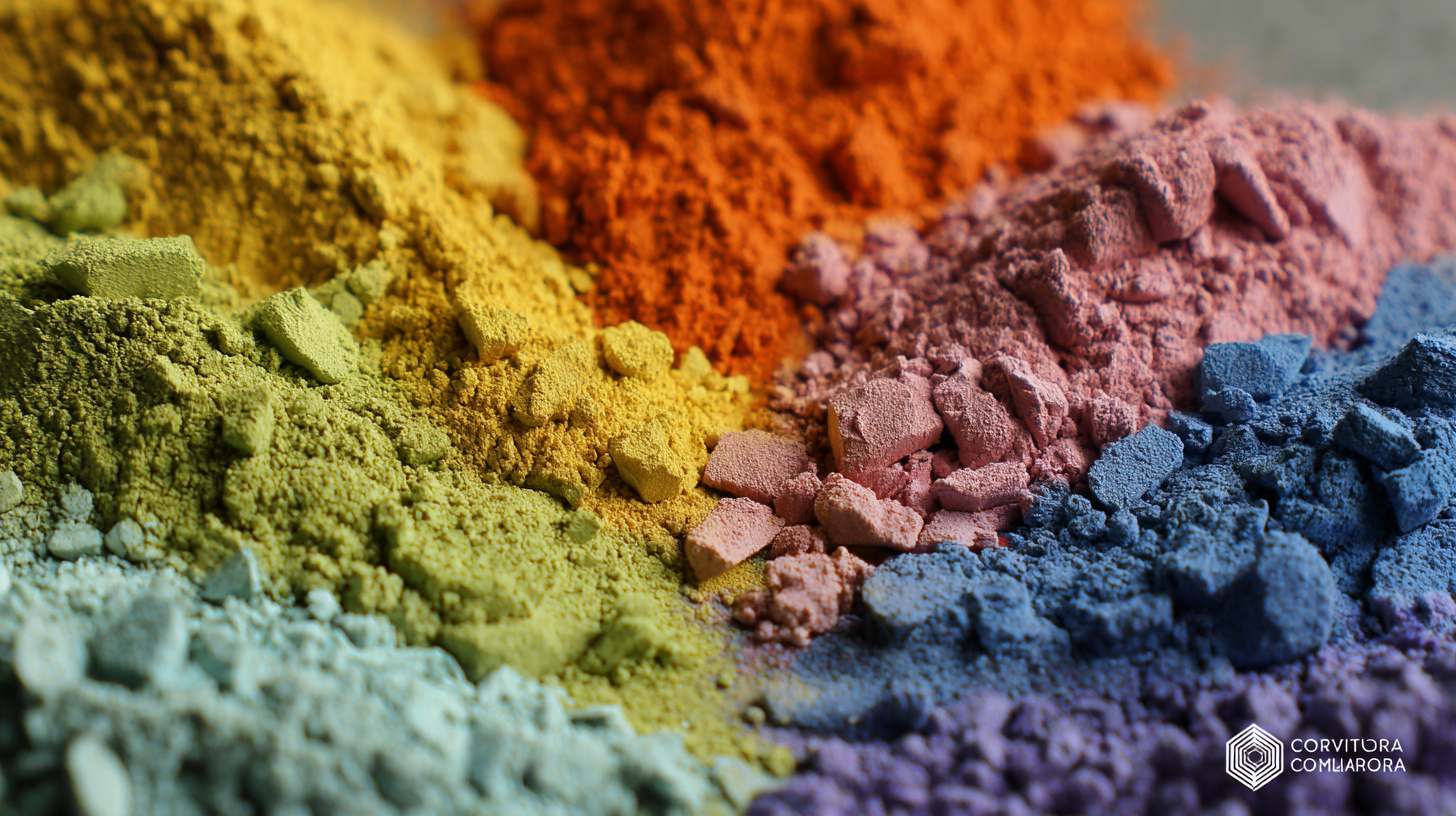
As buyers around the world dig deeper for innovative substitutes for Pigment Powder Mica, Trust Colors is really leading the way, showing off how you can get vibrant colors and one-of-a-kind finishes while still being kind to our planet. So in this blog, we're gonna take a closer look at these alternatives and see what makes them stand out, helping buyers find top-notch quality without sacrificing environmental friendliness.
Innovative Alternatives to Mica: A Comprehensive Overview of Pigment Powders in Today's Market
You know, in the last few years, the cosmetic and art worlds have really started to explore some cool, innovative alternatives to the usual Mica Pigment Powders. With everyone becoming more aware of where their materials come from and the impact they have on the environment, both manufacturers and consumers are diving intosustainable and eco-friendly options. It’s pretty interesting because these alternatives aren’t just substitutes for mica; they also open up new color possibilities for products, which is super exciting for anyone in formulation.
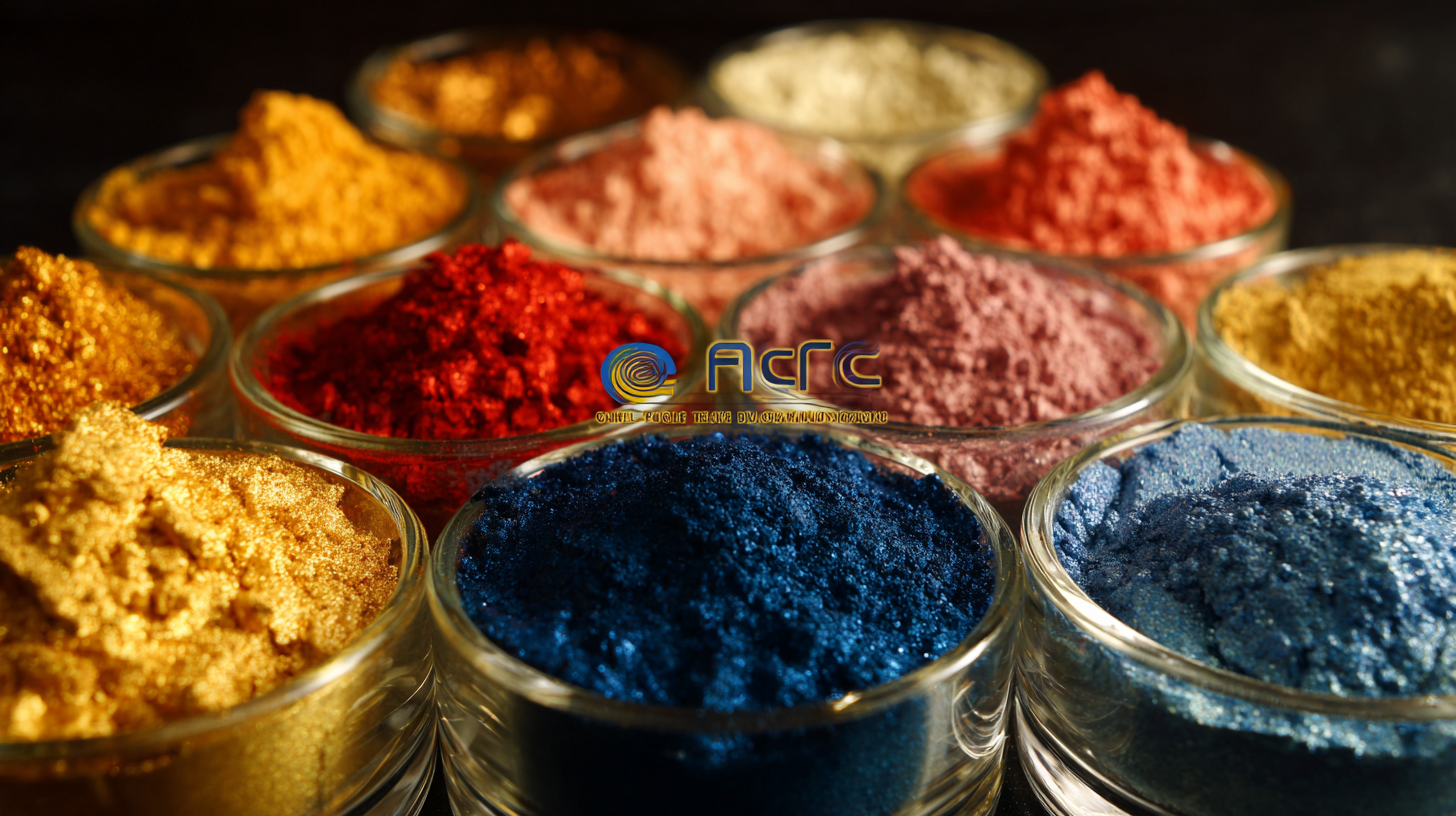
A standout substitute for mica is synthetic Pearlescent Pigments. They give off that gorgeous shimmer we love about mica, but without all the environmental drawbacks that come with mica mining. And then there are these natural colorants from plants, minerals, and other organic sources that have been getting a lot of buzz lately. These organic pigments not only break down easily but also help cut down on the chemical footprint that many synthetic options leave behind. As more buyers worldwide look for responsibly sourced materials, the pigment powder scene is growing, which brings up both cool opportunities and tricky challenges for brands wanting to make a real, sustainable difference.
Analyzing the Environmental Impact of Traditional Mica Mining vs. Synthetic Alternatives
You know, with all the buzz surrounding the environmental fallout from traditional mica mining, it's super important for global buyers to explore some creative alternatives. I mean, let's face it, the old-school way of extracting mica is laborious and often tied to pretty shady practices, including human rights issues. That's why a lot of folks are turning their attention to synthetic pigments. They really promise a more ethical and sustainable route. Plus, these synthetic options come with some neat benefits like consistent quality and safety, which totally meets the growing demand for environmentally friendly products.
Here at Trust Colors Technology Co., Ltd., we get how crucial sustainability is in the cosmetics and pigment scene. For over 15 years, we've been all in on providing a fantastic range of effect pigments and special inks that stick to ethical production standards. Our magical paints are perfect for everything from industrial applications to personal projects, ensuring that whether you're working on a big commercial production or a crafty DIY, you're getting stuff that not only looks amazing but also plays nice with the environment. By opting for synthetic alternatives, we can really help reduce the negative effects typically tied to mica mining while still bringing you vibrant, high-quality options.
Key Characteristics of Natural Pigment Powders: Quality, Color Fastness, and Safety Standards
You know, when it comes to sourcing pigment powders, folks around the globe are really starting to pay attention to things like quality, color fastness, and safety standards. It’s interesting to see how natural pigment powders are really making a name for themselves, thanks to their eco-friendly vibes and compliance with safety regulations. As more people become aware of how their purchases affect the planet, there's a noticeable shift towards choosing non-toxic, sustainable options instead of synthetic pigments. This isn't just a passing trend—it's part of a bigger move towards sustainability that ensures products meet those tough safety requirements, keeping both consumers and the environment safe.
I came across some recent reports from market watchdogs in China, and they really emphasize the importance of quality assurance across various product categories, especially textiles and kids' clothing. These insights underline just how crucial it is to rigorously test materials, particularly in products aimed at our most vulnerable populations. Brands have to stay on their toes, making sure their pigment powders not only have those vibrant colors and lasting appeal but also meet the latest safety standards. As the market keeps changing, it’s vital for suppliers to keep innovating and uphold high-quality standards while being mindful of safety and environmental issues.
Market Trends: The Growing Demand for Eco-Friendly Pigments in Cosmetics and Art Supplies
You know, the cosmetics and art supplies industries are really starting to embrace eco-friendly pigments, and it’s pretty cool to see. It’s part of a bigger trend where consumers are looking for sustainable products. As people around the world become more aware of environmental issues, they’re pushing for newer, greener alternatives to traditional pigments, especially mica. And it’s not just about how things look anymore; there’s a growing understanding of how synthetic dyes impact the environment. That’s why manufacturers are diving into plant-based colorants that not only pop with vibrant colors but also stick to sustainable practices.
The natural dyes market is really taking off, projected to hit around USD 7.54 billion by 2032! That’s a huge leap, right? A lot of it comes from the push for sustainable textile production and more eco-friendly alternatives cropping up in different sectors. Plus, in the U.S., the market for cosmetic pigments is also set to grow big time, showing that there’s a significant demand for high-performance, planet-friendly options. As companies adapt to what people want, we can look forward to a whole bunch of eco-conscious products that not only add a splash of beauty and creativity but also care for our planet. How awesome is that?
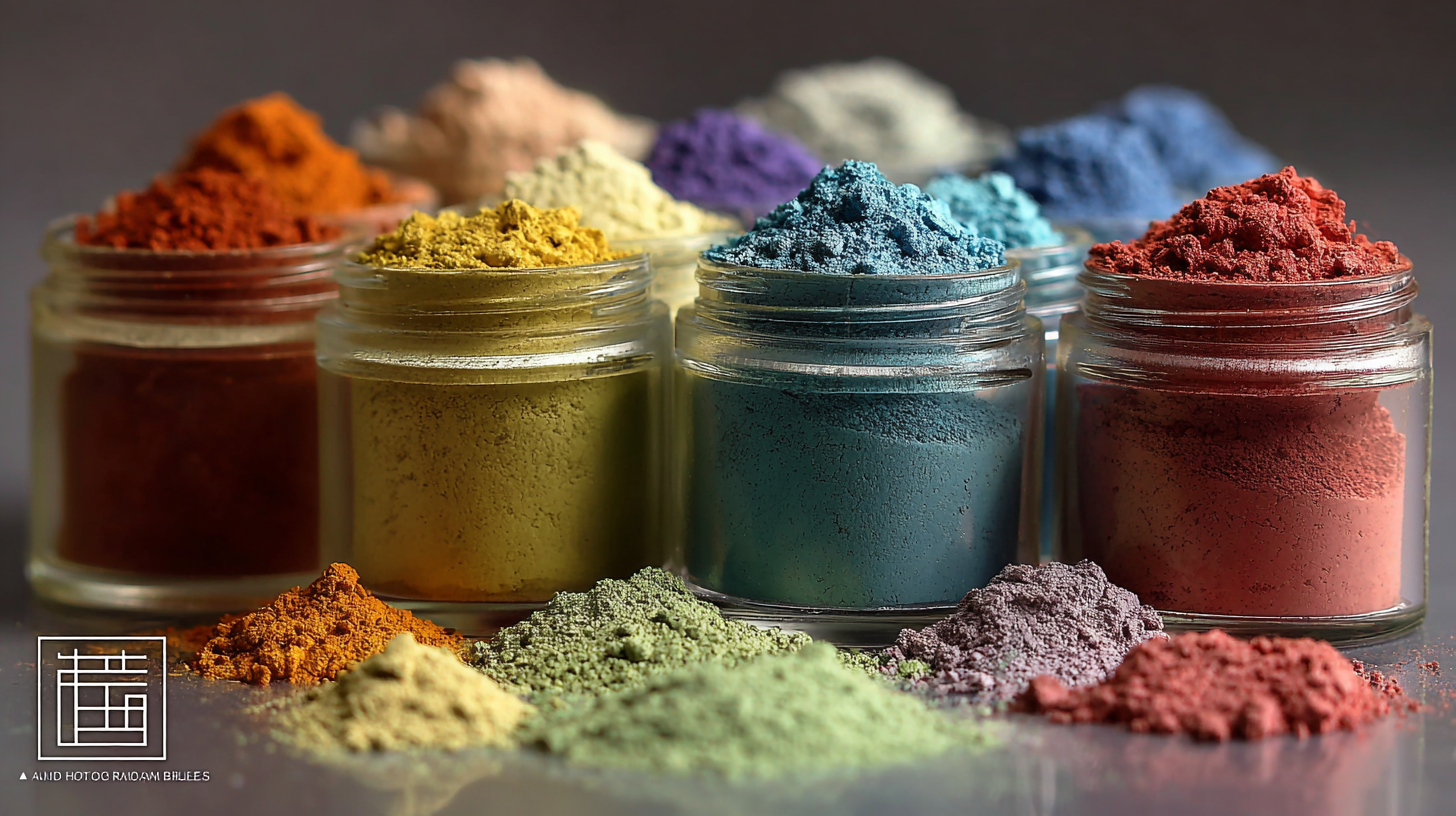
Comparative Performance: Mica vs. Synthetic Pigments in Industrial Applications and Formulations
You know, when it comes to industrial applications and formulations, the way pigments perform is super important for both looks and functionality. Take mica, for example. It’s this natural mineral that’s been around forever and is loved for its gorgeous shimmer and non-toxic nature. But here’s the scoop: synthetic pigments are starting to steal the show in many industries. A recent report from MarketsandMarkets suggests that the synthetic pigment market is set to jump from about USD 19.1 billion in 2023 all the way up to USD 26.8 billion by 2028. This growth is really fueled by better production methods and a growing demand for high performance in stuff like coatings and plastics.
Now, what’s neat about synthetic pigments is that they come with a bunch of perks that mica just can’t match. For starters, they offer more color consistency, they hold up way better in the sun, and the range of shades is much broader—meaning they can be customized for specific needs. In fact, recent studies show that synthetic pigments can be up to 20% better at resisting fading compared to mica, which makes them a top pick for outdoor projects. Speaking of innovation, at Colors Technology Co., Ltd., we’ve been in the game for over 15 years, delivering a fantastic range of effect pigments, special inks, and even magic paints. We’re all about quality and keeping up with the ever-changing market, and our goal is to wow our customers every single time.
Understanding Regulatory Implications for Global Buyers: Navigating Compliance for Pigment Products
Hey there! So, with the way global buyers are on the hunt for fresh alternatives to traditional mica pigment powders, it’s super important to get a grip on the regulatory side of things. Seriously, keeping tabs on compliance is crucial in this fast-changing market. Just recently, we saw some updates about regulations tightening up around the world, which means producers and importers really need to stay on top of what’s required. Take the EU's General Product Safety Regulation (GPSR), for example—this has been in effect since June 2023 and it requires that all products entering the market meet some pretty tough safety standards. This isn’t just a small tweak; it’s impacting how pigment products are made and even how manufacturers source their materials if they’re looking at the European market.
On top of that, the U.S. has rolled out some hefty tariffs on imports from different countries, including Vietnam, which has made businesses rethink their supply chains and sourcing practices. There’s this big 46% tariff coming in April 2024 that’s a big wake-up call for pigment producers. They need to make sure they’re following all the local and international regulations while also exploring new raw materials. As sustainability and safety become top priorities, figuring out how to navigate these regulations is going to be key to staying competitive in the global pigment product scene.
Exploring Innovative Alternatives to Best Pigment Powder Mica for Global Buyers
| Product Type | Main Application | Regulatory Compliance | Key Benefits | Potential Risks |
| Synthetic Mica | Cosmetics, Paints | FDA, REACH | Fine particle size, more consistent color | Possible skin irritation for sensitive individuals |
| Mineral Pigments | Plastics, Inks | ASTM, ISO | Eco-friendly, non-toxic | Limited color range |
| Biodegradable Pigments | Textiles, Paper products | OEKO-TEX, BSR | Sustainable, biodegradable | Durability may vary |
| Organic Colorants | Cosmetics, Food packaging | FDA, USDA | Non-toxic, vibrant colors | Can be expensive |
| Nano Pigments | Coatings, Plastics | EPA, REACH | High saturation, lower amounts needed | Health concerns over inhalation |
Enhancing Infrared-Transparent Coatings with Perylene Black Pigment PB32: A Sustainable Innovation
Enhancing infrared-transparent coatings with Perylene Black Pigment PB32 represents a significant advancement in sustainable material science. This innovative pigment not only appears black under visible light but remains transparent under near-infrared light, making it an ideal choice for a variety of applications, from architectural coatings to automotive finishes. By integrating Perylene Black into infrared-transparent coatings, manufacturers can achieve effective heat management without compromising aesthetic appeal.
One of the standout features of this pigment is its excellent light and weather resistance. Traditional pigments often fade or degrade when exposed to sunlight and harsh weather conditions, but Perylene Black PB32 maintains its integrity over time. This property makes it particularly beneficial for outdoor applications, where enduring performance is essential. Furthermore, because it reflects near-infrared light, the coatings can significantly reduce heat buildup in buildings and vehicles, promoting energy efficiency.
Incorporating near-infrared reflective pigments like PB32 into coatings is not just a step toward innovation—it's a stride toward sustainability. By reducing the urban heat island effect and lowering energy consumption for cooling, these coatings help create more comfortable living environments. As industries continue to seek sustainable solutions, Perylene Black Pigment PB32 stands out as a forward-thinking option that marries functionality with eco-friendliness.
FAQS
: Synthetic pigments offer enhanced color consistency, improved stability under UV exposure, and a broader palette of shades that can be tailored to specific needs compared to mica.
The synthetic pigment market is projected to grow from USD 19.1 billion in 2023 to USD 26.8 billion by 2028.
The EU's General Product Safety Regulation (GPSR), effective since June 2023, mandates that all products entering the market must meet rigorous safety standards.
Recent studies indicate that synthetic pigments exhibit 20% better lightfastness compared to mica, making them preferable for outdoor applications.
The introduction of significant tariffs by the U.S. on imports, including a 46% tariff set to take effect in April 2024, necessitates businesses to reassess their supply chains and sourcing practices.
Understanding regulatory implications is essential for navigating compliance requirements, particularly as regulations tighten globally, which affects product formulation and sourcing strategies.
Colors Technology Co., Ltd. specializes in a diverse range of effect pigments, special inks, and magic paints, catering to industrial and commercial needs for over 15 years.
Advancements in production techniques and the demand for high performance in coatings and plastics are key trends driving the growth of the synthetic pigment market.
Manufacturers must ensure their products comply with stringent safety standards and may need to explore alternative raw materials to meet regulatory requirements.
Sustainability is becoming increasingly important, and navigating regulatory frameworks focused on safety and environmental impact will be essential for maintaining a competitive edge.