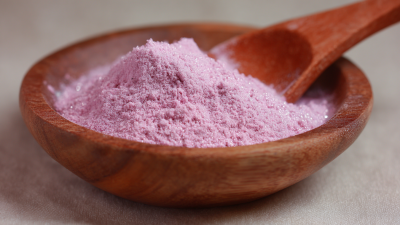
Pearl Pigments have really become a big deal in the beauty world lately, mainly because of their gorgeous shimmering effects. They’re often made from natural materials, which gives a super luxe vibe to products like eyeshadows, highlighters, and such. Out of all the different types out there,Mica Pearl Pigment definitely stands out thanks to its soft, iridescent shimmer that adds a nice touch to any beauty product.
When it comes to beauty formulas, pearl pigments are great for adding that extra depth and dimension. They catch the light just right, leaving the skin looking radiant and glowing. Big names like L'Oréal and Estée Lauder rely on these pigments to make their products pop. But, of course, there’s been some chatter about where these ingredients come from and whether they’re sustainable, which is something to think about.
What’s cool about pearl pigments isn’t just how pretty they look — they’re also used to create some seriously stunning visual effects. Still, it’s a balancing act. Beauty is great, but it’s important to consider the ethical side of things too. Consumers today are more aware than ever about the impact their choices have on the environment. Knowing where things like Mica Pearl Pigment come from and what they mean for sustainability really adds a whole new layer to the beauty talk.
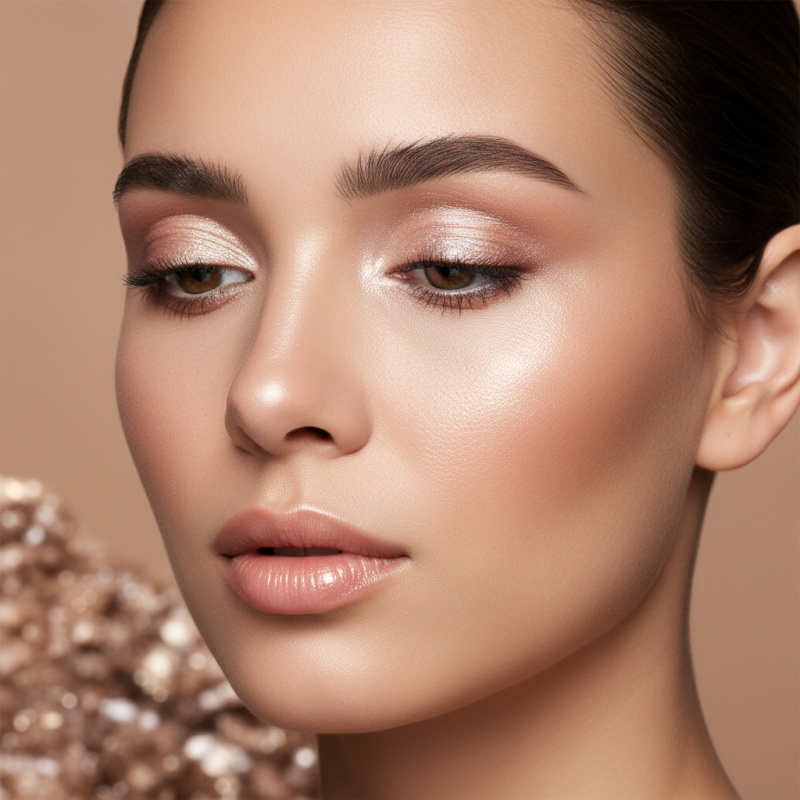
Definition and Origin of Pearl Pigment
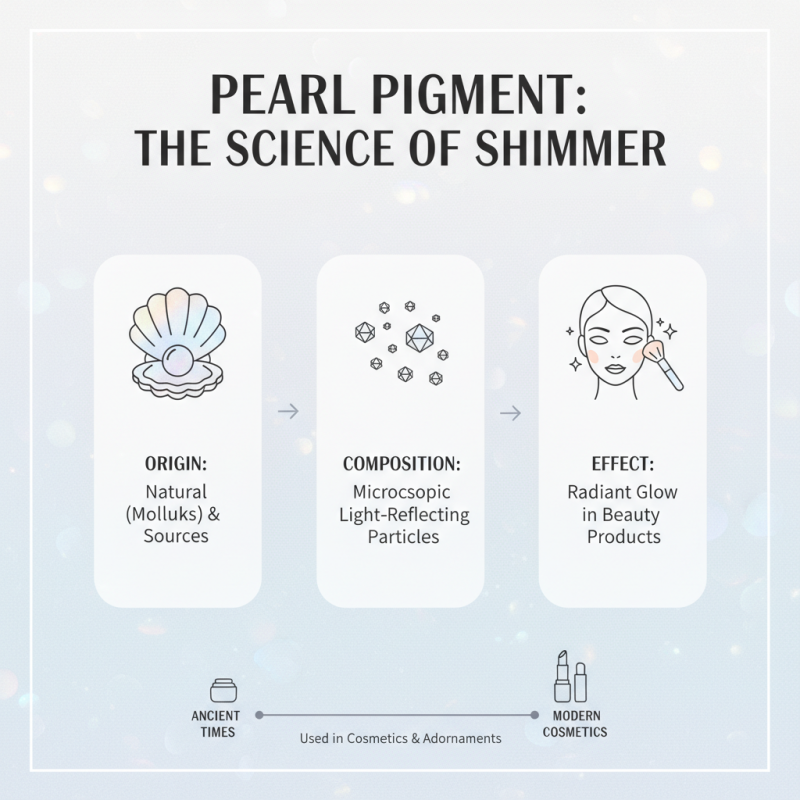
Pearl pigment is a fascinating ingredient in beauty products. It consists of tiny particles derived from natural sources, like mollusks or synthetic materials. This pigment reflects light beautifully, creating a shimmering effect. The origin of pearl pigment can be traced back to ancient times when it was used in cosmetics and body adornments.
These pigments have been popular for centuries. Artisans in different cultures valued pearls for their luster. Today, advancements in technology allow for synthetic alternatives that mimic this natural beauty. The versatility of pearl pigment enables its use in foundations, eyeshadows, and nail polishes. In these products, it adds depth and enhances the overall appearance.
Tip: When trying out products with pearl pigments, test them on your skin first. This practice helps you see how they blend with your complexion. It’s important to pay attention to the light and how it reflects off your skin.
Pearl pigments can vary widely in quality. Sometimes, they can feel gritty rather than smooth. Always be mindful when checking products. If the texture feels off, re-evaluate before applying. Remember, different skin types react differently to various ingredients. It’s okay to experiment but be aware of how your skin responds.
Chemical Composition of Pearl Pigment
Pearl Pigment is a unique substance derived from natural pearls. Its chemical composition includes various ingredients like calcium carbonate and organic proteins. This blend creates a stunning luster that enhances beauty products. When mixed with other components, pearl pigment can give a radiant finish.
In cosmetics, pearl pigment varies by size and shape, affecting the way light reflects. Smaller particles yield a more subtle glow, while larger ones create a bolder shine. It’s fascinating how such small elements can make a huge difference in final products. Mistakes can occur if pigment and base aren't mixed properly, leading to an uneven texture or unwanted shade.
Tips: When applying products with pearl pigment, consider skin type first. A little goes a long way; start small. For those with darker skin, test shades before commitment. Remember, everyone’s needs vary. Reflect on your choices and adjust accordingly. Pearl pigment can enhance your look, but it should complement, not overwhelm.
Types of Pearl Pigment Used in Beauty Products
Pearl pigments are widely used in beauty products for their unique shimmer and glow. They create an iridescent effect, enhancing the visual appeal of cosmetics. These pigments can be derived from natural sources, such as fish scales and pearl shells, or synthesized in the lab. The global market for pearl pigments in cosmetics was valued at approximately $300 million in 2022 and is projected to grow significantly in the coming years.
There are several types of pearl pigments utilized in beauty applications. Mica-based pearl pigments are popular due to their lightweight nature and excellent color dispersion. They provide a multi-dimensional shine. Synthetic pearl pigments, on the other hand, often offer more vibrant colors and stability. According to industry reports, the demand for synthetic versions is increasing, driven by innovation in formulation techniques.
However, the use of these pigments is not without challenges. Sourcing natural pearlescent ingredients can be problematic due to environmental concerns. There are ongoing debates about the sustainability of using marine life for cosmetics. Consumers are showing a growing preference for ethical beauty products. Ensuring that sources are responsibly managed is essential. As brands strive for transparency, the conversation continues about the impact of these ingredients on both beauty and environment.
Applications of Pearl Pigment in Cosmetics
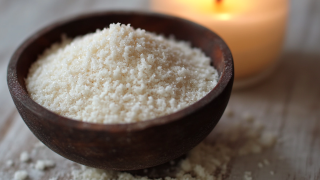
Pearl pigment has gained popularity in the cosmetics industry. Its shimmering effect adds a unique touch to various beauty products. Pearl Pigment Powder is often used in eyeshadows, highlighters, and lip glosses to create a radiant finish. According to a recent industry report, the global market for pearl pigments is expected to reach $3.7 billion by 2025. This growth reflects the increasing demand for natural-looking cosmetics.
Applications of pearl pigment in cosmetics are diverse. In powder form, it provides a lightweight texture that blends seamlessly with the skin. Makeup artists frequently use it to enhance the eyes and cheeks, creating depth and dimension. The iridescent effects can transform a basic product into something special, allowing for more creativity. However, achieving the right balance can be challenging. Too much pigment may lead to an overly shiny appearance, which might not be desirable for all users.
Tips: When using Pearl Pigment Powder, start with a small amount. Gradually build up to your desired intensity. This prevents over-application and helps maintain a natural look. Experimenting with different applicators or even damp brushes can yield varied results. Reflecting on your application technique is crucial for achieving the best effects. Each product may react differently, so it’s essential to tweak your approach accordingly.
What is Pearl Pigment and How is it Used in Beauty Products? - Applications of Pearl Pigment in Cosmetics
| Application | Description | Benefits |
| Face Highlighter | Used to enhance the cheekbones, brow bones, and other areas of the face. | Creates a luminous glow, adds dimension to facial features. |
| Eye Shadow | Adds shimmering effects to eyelids, enhancing eye color. | Provides a captivating and sparkling appearance, suitable for a variety of occasions. |
| Lip Products | Incorporated into lip glosses, lipsticks, and balms. | Enhances color and adds shine, making lips appear fuller. |
| Nail Polish | Provides a shimmering finish to nail applications. | Increases visual appeal, giving nails a luxe look. |
| Body Lotion | Infused into moisturizing lotions for skin. | Adds a subtle sheen and improves skin appearance. |
Benefits of Using Pearl Pigment in Beauty Products
Pearl pigments are gaining popularity in the beauty industry. They provide a unique luster and depth to various products, enhancing the overall aesthetic of cosmetics and making them more appealing to consumers. According to a report by Global Industry Analysts, the global market for pearl pigments is expected to reach $1.2 billion by 2025, driven largely by increasing demand in makeup products.
Benefits of using pearl pigments include their light-reflective properties. They create a luminous finish that many consumers desire. Products like highlighters and eyeshadows often incorporate these pigments for a dazzling effect. Industry insights suggest that cosmetics with pearl pigments can outperform their matte counterparts by up to 25% in sales. Additionally, China Mica Pearl Pigment is widely used because of its affordability and availability. These pigments blend well with other ingredients, enhancing product performance.
However, there are considerations to keep in mind. Not all consumers are familiar with the sourcing of pearl pigments. Some may even be concerned about mineral safety. Transparency in ingredient sourcing is vital. Companies should focus on educating consumers about the benefits and safety of pearl pigments. This can foster trust in their products. Balancing visual appeal with responsible sourcing remains a challenge in the industry.
Safety Considerations and Regulations
Pearl pigment is a popular ingredient in beauty products. It provides a shimmering effect that enhances the appearance of cosmetics. However, safety considerations are crucial when using these pigments. Regulation often varies by country. Some countries impose strict guidelines on cosmetic ingredients.
The potential for allergic reactions exists. Some individuals may experience skin irritation or other adverse effects. Testing is essential before widespread use. Manufacturers should conduct thorough assessments of pearl pigments to ensure safety. Transparency in ingredient sourcing is equally important.
Regulatory bodies monitor the use of pearl pigments in cosmetics. They aim to protect consumers from harmful substances. Such regulations help establish safe limits for usage. Despite regulations, some manufacturers may overlook these guidelines. Ongoing education about ingredient safety is vital. Consumers should remain informed and vigilant about the products they choose to use.
Future Trends in Pearl Pigment Usage in the Beauty Industry
The beauty industry is witnessing a fascinating shift with the rise of pearl pigments. These ingredients offer a unique shimmer that appeals to consumers. Recent studies indicate that the use of pearlescent materials in cosmetics has increased by over 20% in recent years. Additionally, a forecast suggests further growth, as sustainability and natural origins become key consumer demands.
As brands seek to innovate, future trends include the integration of plant-based pearl pigments. Research shows that 44% of consumers prefer products with natural ingredients. This shift presents challenges. Sourcing high-quality, sustainable resources can be complex. However, brands striving for excellence may find that **Wholesale Mica Pearl Pigment** offers a reliable option for achieving the desired effect without compromising values.
Tip: Always check the source of your pigments. Opting for reliable suppliers ensures you stay within ethical guidelines. While the allure of pearl pigments is clear, balancing beauty with responsibility is vital. As the industry evolves, brands must adapt and reflect on their practices. Aligning with consumer preferences while maintaining integrity will shape the future of beauty products.
FAQS
: Think about your goals and resources. Assess your time and skills.
Break tasks into smaller steps. Celebrate small achievements.
Yes, many experience this. It’s a sign to reassess your plans and priorities.
Mistakes are part of learning. Reflect on them and adjust your approach.
Set specific, measurable goals. Review your progress regularly to gauge effectiveness.
Absolutely. Seeking support can provide new perspectives and alleviate stress.
Take breaks and explore different interests. Inspiration often comes when you least expect it.
Try to view it constructively. Reflect on valid points but don't dwell on negativity.
Yes, adaptability is crucial. Sometimes, the path you choose needs adjustment.
Reevaluate your schedule and workload. Learn from this to create a better timeline next time.
Conclusion
Pearl pigment, derived from natural sources or synthetic methods, is a key ingredient in the beauty industry known for its shimmering and lustrous appearance. Its chemical composition often includes materials such as mica and titanium dioxide, which create the iconic pearlescent effect. Various types of pearl pigments are utilized across a range of cosmetics, including foundations, eyeshadows, and lip products, enhancing their visual appeal and texture.
The application of pearl pigment in beauty products not only provides aesthetic benefits but also improves product performance, such as enhancing light reflection and providing a smooth finish. While pearl pigment is generally considered safe for use in cosmetics, it is important to adhere to safety regulations to ensure consumer health. As trends evolve, the future of pearl pigment in the beauty sector looks promising, with an increasing focus on innovative formulations and sustainable sourcing methods.