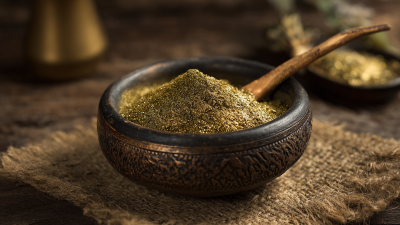
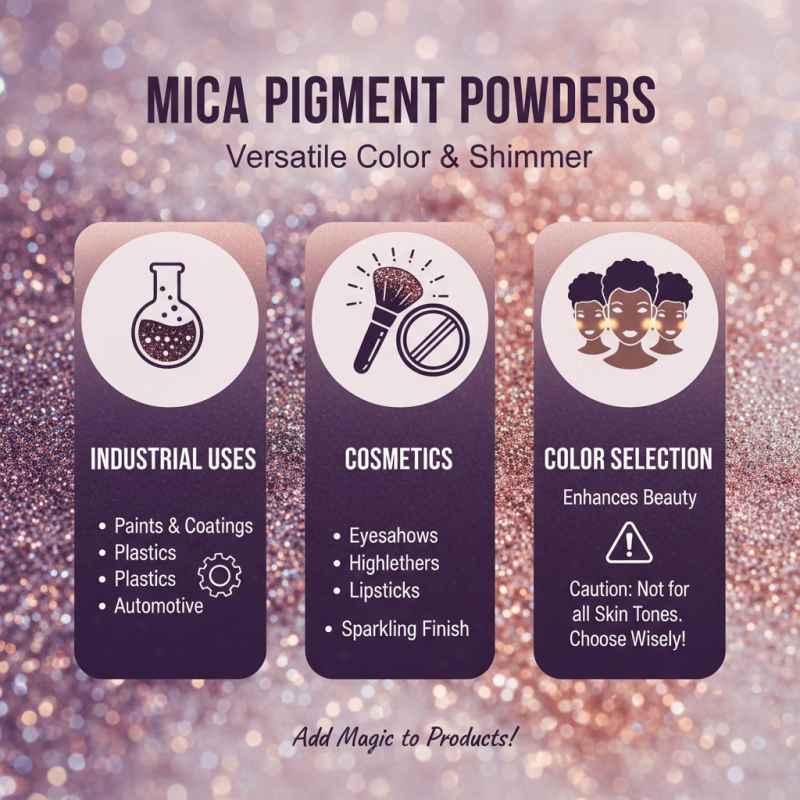
When it comes to cosmetics and art supplies, Pigment Powder Mica has really made a name for itself. Industry insider Dr. Emily Johnson from ColorTech Innovations even points out how versatile it is, saying, "Mica Pigment Powder can turn everyday products into some truly extraordinary stuff." Honestly, what makes this stuff so special isn’t just the dazzling shimmer — it’s also how well it helps create those vibrant, eye-popping colors.
This Mica Powder is actually mined from natural minerals, which makes it a favorite among brands that really care about being eco-friendly. Artists and formulators love it for adding that extra depth and glow to their work. But here’s the thing — producing top-quality mica isn’t always straightforward, and ethical sourcing has become a real concern. Lots of companies are trying to walk the fine line between making a profit and doing the right thing, which definitely makes you think about the wider impact of the industry.
On top of that, while Pigment Powder Mica gets a lot of praise, you still run into some hiccups. Sometimes, different batches can vary quite a bit—some might not be as pure or as vibrant as you’d hope. That’s why it’s so important for brands to test carefully and stick with trustworthy suppliers. If everyone works on fixing these issues, we can boost the overall quality of mica out there, which really helps all the artists and creators relying on it.
What is Pigment Powder Mica?
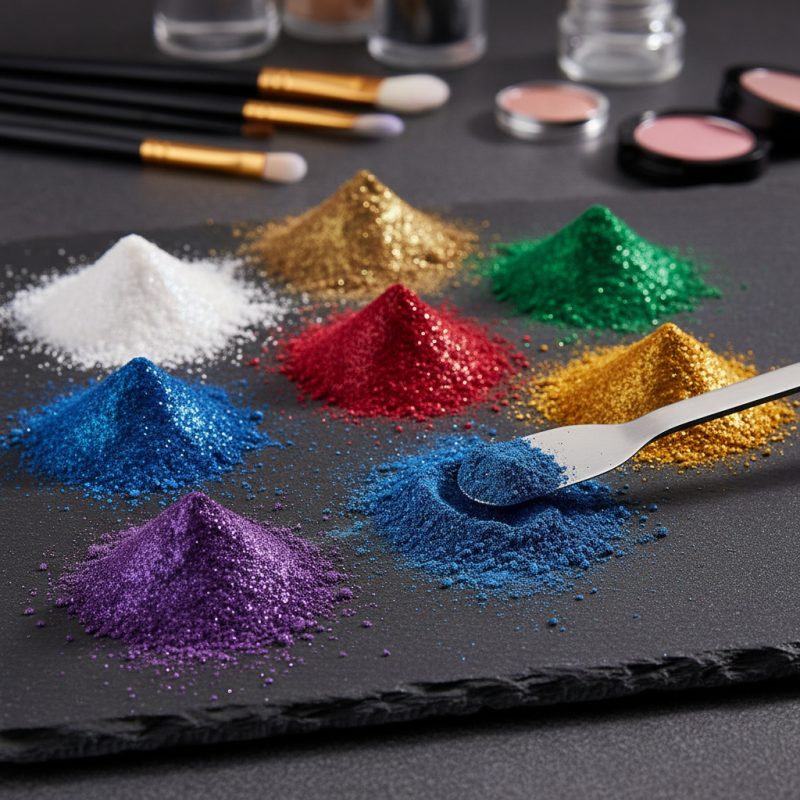
Pigment powder mica is a natural mineral used widely in art and cosmetics. It comes from mica stone, which is ground down into fine particles. This process reveals a shimmering, iridescent quality. Mica is often found in various colors, allowing for a diverse range of artistic applications.
Artists frequently incorporate pigment powder mica into their artwork. It adds a unique sparkle, giving life to paintings and crafts. In cosmetics, mica provides a luminous finish in products like eyeshadows and highlighters. However, one must consider the source of the mica. Sustainable mining practices are essential to prevent environmental harm.
While it sounds appealing, working with pigment powder mica can present challenges. The fine particles can easily become airborne, creating a mess. Proper techniques and safety precautions are crucial to avoid inhalation. This mineral may also cause skin sensitivity in some individuals. It's important to test products beforehand.
What is Pigment Powder Mica and How is it Used?
| Property | Description |
| Chemical Composition | Mica is a group of silicate minerals, known for their sheet-like crystal structure. |
| Color Range | Pigment powder mica comes in a variety of colors, including natural hues and vibrant shades. |
| Applications | Used in cosmetics, paints, plastics, and food, providing shimmer and color. |
| Benefits | Non-toxic, versatile, offers excellent color stability and coverage. |
| Cosmetic Use | Commonly used in eyeshadows, highlighters, and other makeup products for a luminous effect. |
| Environmental Impact | Considered more environmentally friendly compared to synthetic pigments. |
The Composition and Properties of Mica Pigment Powders
Mica Pigment Powders are unique substances derived from natural mica minerals. They consist of fine, shimmering particles that reflect light beautifully. The properties of mica allow it to be both lightweight and versatile. This makes it popular in various industries. People often use mica pigment in cosmetics, art supplies, and crafts.
The composition of mica is primarily silicate minerals. These minerals contain elements like aluminum, potassium, and magnesium. These elements contribute to the glittering effect that mica provides. When you mix it with other materials, it enhances colors and adds depth. However, ensuring the right mixture can be challenging. Too much mica can overshadow the desired effect.
Mica pigments are often added to paints and coatings. They improve texture and provide a luxurious finish. In cosmetics, they offer a radiant glow. But achieving the perfect balance requires careful experimentation. Not every pigment powder yields the same result. So, artists and manufacturers often face dilemmas in their formulations. This trial-and-error process is crucial for optimal outcomes.
Usage of Pigment Powder Mica in Various Industries
Common Applications of Mica Pigment Powders in Various Industries
Mica pigment powders are versatile and widely used across various industries. They add unique color and shimmer to products. In cosmetics, mica enhances eyeshadows and highlighters with a sparkling finish. This effect attracts attention and can create a beautiful look, but careful color selection is essential. Not all skin tones suit every mica shade.
In the art and craft industry, mica is used in paints and resin-based products. Artists appreciate its ability to add depth and luminosity. Mica powders can be mixed with other materials to create stunning artworks. However, some artists might find it tricky to achieve the desired effect. Experimentation is necessary, and it can lead to unexpected results.
In the home decor sector, mica pigments are found in coatings and finishes. They provide a luxurious look to furniture and accessories. However, over-application can lead to a gaudy appearance. Striking the right balance is vital. Users often seek a subtle sheen rather than an overpowering shine.
How to Use Mica Pigment Powder in Cosmetic Products
Mica pigment powder has gained popularity in the cosmetic industry due to its unique properties. This natural mineral offers a range of shimmering colors. It can enhance both appearance and texture in products like eyeshadows, blushes, and lip products. According to a report by Smithers, the market for natural colorants, including Pigment Powder Mica, is expected to reach $3.2 billion by 2025. This growth highlights the increasing demand for more natural cosmetic ingredients.
Using pigment powder mica in formulations can be both rewarding and challenging. The application is crucial for achieving the desired effect. For instance, mixing it with oils or waxes can create a smooth, even application. However, it may clump if not blended well. Careful consideration is needed when formulating the product. Too much mica can make the texture grainy. Additionally, the right proportions can take time to perfect.
Furthermore, not all mica pigments are created equal. Variations exist in particle size and color intensity. It’s essential to source high-quality pigment powder mica to ensure safety and efficacy. Reports indicate that some sources can lead to variable results. Consumers are becoming more discerning about natural versus synthetic ingredients. Therefore, transparency in sourcing will play a vital role in maintaining trust within the market.
Incorporating Mica Pigment Powder in Arts and Crafts
Mica pigment powder is a versatile material. Artists and crafters love using it for its brilliant shimmer and vibrant colors. When incorporated into various projects, it can transform common items into stunning works of art. Whether mixing it into paint or using it for resin art, mica brings an iridescent quality that captivates the eye.
In arts and crafts, China Mica Pigment Powder is especially popular. Its fine texture allows for even distribution. When combined with medium, it creates smooth finishes. You can sprinkle it on top of wet paint for added dimension. However, achieving the perfect blend can take practice. Sometimes, the colors might not appear as expected.
Experimenting with mica can lead to unexpected results. It’s essential to learn from these moments. Each trial teaches something new. The beauty of using mica is in its unpredictability. The tiny particles can create unique patterns that surprise even the artist. Embracing these imperfections can often lead to the most interesting outcomes.
Safety and Environmental Considerations for Mica Pigment Use
Mica pigment powder is widely used for its vibrant colors and shimmering properties. However, the sourcing and use of mica raise critical safety and environmental concerns. The mica extraction process can often lead to detrimental effects on communities and ecosystems. Reports indicate that approximately 25% of the global mica supply chain is unregulated, which raises ethical questions about labor practices in mining regions.
The mining of mica often takes place in remote, rural areas. This can lead to deforestation and habitat destruction, affecting biodiversity. Additionally, child labor remains a significant issue in some mica-producing countries. Approximately 1.5 million children are believed to be engaged in mica mining, facing hazardous working conditions. Thus, consumers and manufacturers must take responsibility for ensuring ethical sourcing practices.
Transitioning towards sustainable alternatives is essential. Industry leaders advocate for transparency in the supply chain. This can include supporting artisanal mining cooperatives that prioritize safety and fair wages. As the market for Wholesale Mica Pigment Powder grows, it's vital that its environmental footprint is minimized. Prioritizing eco-friendly production methods is no longer optional; it's a responsibility to the planet and future generations.
Tips for Choosing the Right Mica Powder for Your Needs
Choosing the right mica powder can be challenging. Factors like color, texture, and particle size matter. High-Quality Mica Pigment Powder comes in various shades. Some may sparkle, while others are more muted. It’s important to consider your project needs. If you want a shimmering effect, choose a mica with finer particles.
Consider the medium you will use the mica in. Paints and cosmetics need different types of mica. Some powders mix well with liquids, while others work better in solids. Testing the powder on a small sample can reveal unexpected results. Sometimes, the color may not match your expectations.
Price should not be the only factor. Lower-priced mica may lack the desired quality. Poor quality can lead to a lackluster finish. Think about the final outcome you want. Your choice reflects your creativity. Remember, it's about experimentation. Finding the ideal mica powder may take time, but it’s worth it.
Exploring the Market Potential of Sun Color Changing Paint: Insights from the Photochromic Pigment Industry Analysis
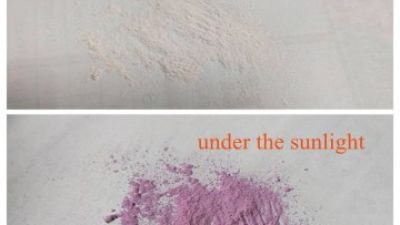
The market potential for sun color changing paint is rapidly gaining attention, particularly due to advancements in photochromic pigment technology. These innovative paints exhibit a remarkable ability to remain colorless indoors, transforming into vibrant hues when exposed to sunlight or UV light. This feature not only adds an aesthetic appeal but also provides functional benefits, making it an exciting option for various applications, including art, design, and even architectural elements.
Safety and environmental considerations also play a significant role in the attractiveness of these products. The formulation of these paints is designed to be non-toxic and free from heavy metals, ensuring that they are safe for both users and the environment. Additionally, their versatile color-changing properties allow for both colorless to color transitions and color to color changes, catering to diverse consumer preferences and creative needs. With the option for OEM and ODM services, manufacturers can customize these paints to meet specific customer requirements, further expanding their market reach and appeal.
As the awareness of eco-friendly and innovative materials continues to grow, the sun color changing paint segment represents a promising avenue for stakeholders in the coating industry. The combination of aesthetic versatility, safety, and customization options positions this product line as a forward-looking choice for consumers and businesses alike, paving the way for increased adoption and exploration within this dynamic market.
FAQS
: The product aims to enhance daily convenience and improve overall efficiency in tasks.
Anyone seeking better organization or time management can find it helpful.
It features a user-friendly interface and intuitive controls. Some users might need time to adapt, though.
Yes, it is versatile and adaptable to various settings, but it may perform differently in extreme conditions.
Check the troubleshooting guide first. Contact support if problems persist; they might not respond immediately.
Generally, it can be used nearly anywhere, yet some locations may have specific guidelines to follow.
Regular dusting and occasional deep cleaning are recommended. Neglecting maintenance can lead to performance issues.
Yes, a warranty is usually provided, but terms can vary. Understand the limitations before making a claim.
It may offer unique features, but some users still prefer alternatives based on personal preferences and experiences.
Feedback is welcome! Users often wish for more customization or additional features based on their experiences.
Conclusion
Pigment Powder Mica is a naturally occurring mineral that serves as a versatile coloring agent in various industries due to its unique properties and composition. This powder is prized for its shimmering appearance and is commonly used in cosmetics, arts and crafts, and other applications. The article outlines the composition and properties of mica pigment powders, emphasizing their non-toxic nature and safety features.
In cosmetics, Pigment Powder Mica adds a sparkle and depth to products, while in arts and crafts, it enhances creativity by providing vibrant colors. The guide also discusses important safety and environmental considerations when using mica pigments, ensuring users make informed choices. Lastly, tips for selecting the right mica powder are provided to help consumers fulfill their specific needs while enjoying the benefits of this remarkable material.