Inquiry
Form loading...
0%

These days, with how quickly things change in the market, it’s pretty important for businesses to really understand the ins and outs of photochromic pigments if they want to stay ahead of the game. I recently came across a report from Grand View Research, and it’s pretty wild— the global market for these pigments is expected to hit around USD 6.27 billion by 2025, growing at about 7.5% each year. That’s a solid number! And speaking of players in the game, Colors Technology Co., Ltd., based in China, has been a big name in the pigment world for over 15 years. They offer a pretty wide range of effects— from special inks to magic paints. Their focus on innovation and quality has really helped them serve all sorts of areas, whether it’s industrial stuff, commercial applications, or even personal projects. Honestly, if businesses tap into the power of Photochromic Pigments, they can develop products that not only tick all the boxes for customers but also really stand out in a crowded, competitive market.

The Comprehensive Guide to Understanding Photochromic Pigments for Your Business Needs

Exploring the Advantages of Photochromic Pigments for Enhancing Product Appeal

You know, photochromic pigments are honestly changing the game when it comes to how products look and function across lots of different industries. These clever materials react to UV light by changing color, which not only makes things look pretty cool but also gives brands some real marketing perks. I saw a report from MarketsandMarkets that says the global market for these pigments is expected to jump from about $1.9 billion in 2020 to roughly $2.9 billion by 2025, growing at an annual rate of around 8.6%. That’s pretty impressive and really shows how much folks are into adding these features to everything from sunglasses and car paints to everyday gadgets.

And it’s not just about having a cool-changing color. These pigments actually bring some practical benefits too. Take sunglasses with photochromic lenses—they don’t just look good, but they also adjust to different lighting conditions and block out harmful UV rays. Definitely a win-win, right? Interestingly, a study by the Vision Council found that nearly 90% of consumers would consider buying sunglasses with this tech, so it’s clear that the market’s really into it. For brands, jumping on this trend could mean standing out from the crowd and attracting eco-conscious customers who are always on the lookout for innovative and sustainable solutions.

The Comprehensive Guide to Understanding Photochromic Pigments for Your Business Needs

Diverse Applications of Photochromic Pigments Across Various Industries

You know, photochromic pigments are really starting to catch on across different industries thanks to their pretty cool ability to change color when exposed to light. They're especially popular when it comes to eyewear — like sunglasses — because they add an extra layer of protection and make things a lot more comfortable for folks trying to see clearly. These lenses automatically adjust to different lighting conditions, which means users get a better experience overall. No wonder both brands and customers love them so much!

But it’s not just in eyewear, either. One fascinating use I’ve seen is in the car industry — they use photochromic pigments in window films and coatings. That helps keep the temperature down and reduces glare while you’re driving, making things safer and way more comfortable. And get this—people are even experimenting with these pigments in packaging, so the package can tell if it’s been in the sun too long, helping preserve the product and making it more attractive on the shelves.

For businesses thinking about jumping in: When you’re adding photochromic pigments to your products, it’s a good idea to really test how well they perform under different conditions. Also, make sure your team understands the benefits of this tech — the better they know, the better they can explain it to your customers. And don’t forget to keep an eye on the latest research; staying up-to-date can give you a leg up against the competition.

The Comprehensive Guide to Understanding Photochromic Pigments for Your Business Needs

Cost-Effectiveness of Integrating Photochromic Pigments into Your Product Line

If you're thinking about adding photochromic pigments to your product lineup, you're actually on to something pretty cool. These pigments change color when exposed to light, which makes them not just eye-catching but also super functional. For instance, in textiles, they give consumers a whole new kind of experience—like your shirt shifting colors in the sunlight or indoors. Plus, with more companies going green, these pigments are a smart choice—they're cost-effective and can really help you stand out in the market.

On top of that, environmental impact is becoming a big deal for businesses nowadays. The textile industry, in particular, faces major hurdles because synthetic dyes often pollute. They don’t stick well and end up creating nasty wastewater. Switching those out for photochromic pigments can really cut down on some of that ecological damage. It’s a win-win: you’re meeting consumer demand for sustainability, and your brand can shine as an eco-friendly pioneer. Sure, investing in this tech might cost a bit upfront, but in the long run, it can boost your brand’s reputation and keep you on the right side of environmental laws. Definitely worth considering, don't you think?

The Comprehensive Guide to Understanding Photochromic Pigments for Your Business Needs

Dimension Details Cost-Effectiveness
Application Areas Eyewear, Automotive, Home Decor High demand in fashion and safety sectors
Initial Investment Moderate cost for material integration ROI seen within 2 years
Market Demand Growing interest in smart materials Potential for high profit margins
Customer Benefits Enhanced comfort and UV protection Can justify premium pricing
Environmental Impact Sustainable options available Long-term savings on disposal

How Photochromic Pigments Improve User Experience and Customer Satisfaction

You know, photochromic pigments have really been making waves across a bunch of industries lately—think eyewear, textiles, and coatings. It's pretty cool how they can change color just based on UV light. I came across a recent report from ResearchAndMarkets, and it said the global market for these pigments could hit about $1.65 billion by 2025, growing at roughly 6.9% annually. A lot of this buzz comes from people really wanting products that make their lives easier and more satisfying.

Take sunglasses, for instance. Photochromic lenses are such a game-changer because they automatically adapt to different light conditions—no more juggling different pairs or squinting. In fact, studies by the American Optometric Association show that around 70% of folks actually prefer these lenses over the traditional kind because they’re just more convenient and easier on the eyes. And it’s not just about glasses—clothing brands are jumping on the bandwagon too. They’re embedding photochromic pigments into their designs, which creates really cool, engaging apparel that’s both functional and stylish. Honestly, when companies start using this tech, it ups the user experience big time, which not only makes customers happy but also keeps them coming back in a pretty competitive market.

Sustainability and Environmental Benefits of Using Photochromic Pigments in Business

You know, photochromic pigments aren’t just some cool tech gimmick—they actually have a big role to play when it comes to making stuff more eco-friendly across different industries. The really interesting part? They change color when exposed to sunlight, specifically UV light, which means companies can cut back on using a ton of extra dyes and chemicals. That kind of flexibility lets brands create products that adapt to different conditions, helping reduce waste and making items last longer. With more and more folks looking for eco-conscious options, using photochromic pigments could really give a business a nice edge in the market.

And it’s not just about how products perform—it’s also about the environment. Using these pigments, companies can shrink their carbon footprint because traditional dyes often need a lot of water, energy, and sometimes chemicals that aren’t great for the planet. Photochromic pigments are usually made from more sustainable sources, which helps close the loop and lessen environmental impact. Switching to this kind of technology doesn’t just tick the sustainability box; it also helps brands connect with consumers who care about doing business responsibly. Pretty exciting, right?

Unlocking Creativity: The Versatile Applications of Photoluminescent Pigment in Paints and Resin

The versatility of photoluminescent pigments in paints and resins is revolutionizing various industries, enhancing creativity and unlocking new possibilities in design. With an increasing demand for innovative materials that provide functional yet aesthetic benefits, these pigments have proven to be crucial. According to a recent report by MarketsandMarkets, the global market for Luminescent Materials is projected to reach $3.9 billion by 2026, growing at a CAGR of 8.7%. This growth is driven by the rising applications of photoluminescent products across various sectors, including construction, automotive, and consumer goods.

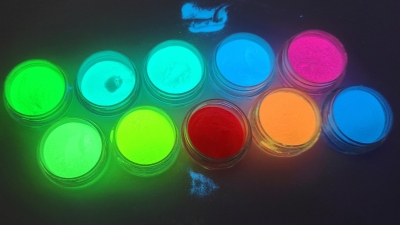
In the realm of design, photoluminescent pigments allow for the creation of stunning visual effects, transforming ordinary surfaces into eye-catching elements. For instance, when incorporated into wall paints or resin products, these pigments can help create unique ambiance in indoor spaces, contributing to moods and themes that traditional paints cannot achieve. The ability of these pigments to absorb light and re-emit it over time opens up opportunities for creative installations, enhancing not just aesthetic appeal but also adding functionality, such as safety through glow-in-the-dark pathways.

The innovative applications extend to outdoor settings as well. For example, in the architectural domain, photoluminescent paints can be used for signage and pathways, providing illumination without the need for electricity. This capability aligns with sustainable design principles, as highlighted in a study by the International Journal of Sustainable Design, which emphasizes the growing need for energy-efficient solutions. As industries embrace these advanced materials, the integration of photoluminescent pigments will continue to inspire creative applications, blending functionality with artistic expression.

FAQS

: What are photochromic pigments?

: Photochromic pigments are materials that change color in response to light, specifically UV light, allowing for adaptations in various applications like eyewear and automotive products.

How do photochromic pigments benefit eyewear?

In eyewear, photochromic lenses enhance user experience by adjusting to different lighting conditions, providing protection from glare and reducing eye strain, which makes them a preferred choice among consumers.

What is the projected market growth for photochromic pigments?

The global photochromic pigments market is expected to reach $1.65 billion by 2025, growing at a compound annual growth rate (CAGR) of 6.9%.

What role do photochromic pigments play in the automotive industry?

In the automotive industry, photochromic pigments are used in window films and coatings to help regulate temperature and reduce glare, enhancing safety and comfort for drivers.

How can businesses effectively integrate photochromic pigments into their products?

Businesses should test the performance of photochromic pigments in various environmental conditions and educate their teams on the benefits to communicate effectively with customers.

Why are consumers increasingly choosing photochromic products?

Consumers are drawn to photochromic products for their ability to improve user experience, convenience, and satisfaction, as evidenced by studies showing that 70% prefer photochromic lenses over traditional options.

In what other sectors are photochromic pigments gaining popularity?

Besides eyewear, photochromic pigments are becoming popular in textiles, where they offer unique designs that engage customers, making products both functional and fashionable.

What advantages do photochromic pigments provide in product packaging?

In product packaging, photochromic pigments can indicate exposure to sunlight, thereby potentially enhancing the longevity and appeal of the product.

How does incorporating photochromic technology impact customer loyalty?

By integrating photochromic technology, businesses can significantly enhance user experience, leading to increased customer satisfaction and loyalty in a competitive market.

What is essential for staying competitive while using photochromic pigments?

Staying informed about the latest research in photochromic technology is crucial for businesses to maintain a competitive edge in the market.

Conclusion

When it comes to cutting-edge materials, photochromic pigments really stand out for their cool ability to change and their wide range of uses. They do more than just make products look good; they’re actually useful across tons of industries—think fashion, automotive, and more—by reacting to light in real-time. Adding these pigments can be a smart, budget-friendly move for businesses wanting to stand out from the crowd and also improve the experience for their customers. Plus, with more people caring about eco-friendly stuff these days, the environmental perks of using photochromic pigments just make them even more valuable in today’s product design.

At Trust Colors Technology Co., Ltd., we truly get how powerful photochromic pigments can be for boosting product appeal and meeting different business needs. With over 15 years of experience pouring into special inks and effect pigments, we’re committed to surprising our clients with innovative solutions that not only wow people but also help the environment. So, why not tap into the potential of photochromic pigments and watch your business grow? We think you’ll love the results!


Amara

Amara

Amara is a dedicated marketing professional at Trust Colors Technology Co., Ltd., a leading provider of effect pigments, special inks, and magic paints based in China. With over 15 years of industry experience, Trust Colors has established itself as a pioneer in delivering innovative solutions for......
Previous Global Trends in Anti-Counterfeiting Material Manufacturing by 2025