Inquiry
Form loading...

Blog

Why Choose Mica Powder for Soap Making?

Why Choose Mica Powder for Soap Making?

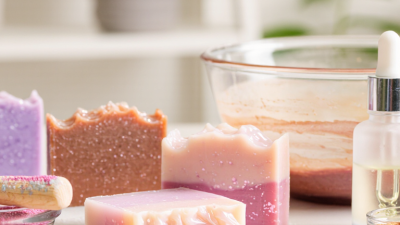
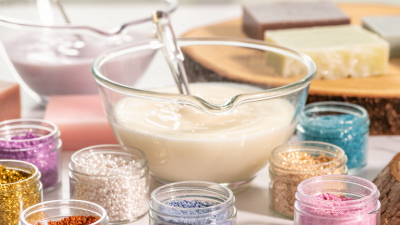
If you're a soap maker who wants color with a soft shimmer—not that heavy, opaque look—mica powder for soap is hard to beat. A tiny pinch can turn a plain white bar into something like pearly lavender or warm copper. But the final effect isn't always predictable. It really depends on the mica, your base, and how well you mix it in. And heads up: some shades look vivid in the bowl but end up muted once the soap sets. So definitely test a small batch first. Mica's pretty great—it comes in all sorts of colors and gives soap that nice reflective shimmer. If you're using melt-and-pour soap, try mixing the mica with a bit of rubbing alcohol or glycerin first, before you add it to the melted base. That little step goes a long way in keeping clumps away. For cold-process soap, though, be prepared: the color can change as the batter thickens and cures. So jot down exactly how much you used and keep an eye on the finished bars. Oh, and a fine sieve? Honestly, it helps a lot. Patience does too. Anne-Marie Faiola is definitely a big name in soapmaking education—no question there. That said, I couldn’t find a direct quote from her about this particular issue, so I don’t want to put words in her mouth. Here’s the thing to remember when you’re formulating: always test your color in the actual base you’re using before you commit to a whole batch. That’s more of an editorial tip than something she said verbatim. And whatever you do, check the supplier’s specs to make sure the product is intended for soap, and stick to ingredients labeled for soapmaking. Mica can make things pretty, sure, but it won’t save you from poor mixing or sloppy formulation. You know, some results just catch you off guard, even after all this time. I guess that's just part of the craft.
Read more »
Amara By:Amara - November 9, 2026
How to Choose Anti Counterfeiting Materials in 2026

How to Choose Anti Counterfeiting Materials in 2026

When you're picking an anti-counterfeiting material in 2026, it's not just about what looks cool. You've got to match it to your actual product, your packaging line, and how you'll inspect it. That shiny feature might seem great on a sample, but wait until it hits heat, friction, moisture, or those super-fast production speeds – it might just fall apart. The real test? It's all about practicality. Can your staff check it easily every time, without holding up the line or leaving customers scratching their heads? Security guru Bruce Schneier once said, 'Security is a process, not a product.' That's a pretty good way to think about it, especially when it comes to packaging. So instead of just picking a fancy material, you've got to think about combining it with clear verification steps and regular check-ins. There are a bunch of options out there—like tamper-evident films, security papers, embedded markers, and even anti-counterfeiting pigment. But each one has its own trade-offs, so it's not exactly a one-size-fits-all deal. You see, sometimes a pigment might be practically invisible under normal lighting, but then you'd need a special reader to detect it—which field teams usually don't carry around. On the flip side, a seal that's visible is a breeze to inspect, but what's the point if someone can just swap it out and leave no trace? So it's a trade-off. You know, the little things really do matter here. I'd say start by checking things like print compatibility, how well the ink sticks to the substrate, batch-to-batch consistency, storage conditions—and don't forget what the inspection gear costs. When you're talking to suppliers, don't be shy about asking for test data, material samples, and proof of their quality checks. Then here's the kicker: try the feature out on real packaging, not just a clean sheet in the lab. I mean, no material's perfect, right? A neat test can look great, but it might completely miss the rough-and-tumble of a warehouse or the blinding glare under shop lights. Honestly, this guide is all about how to weigh your options, run some tests to see how things really perform, and then pick a solution that fits the way you actually operate. And here's a secret: the best pick isn't necessarily the most complex one. It's the one that people can verify and maintain without pulling their hair out.
Read more »
Amara By:Amara - November 4, 2026
How to Choose Epoxy Resin Pigment Powder?

How to Choose Epoxy Resin Pigment Powder?

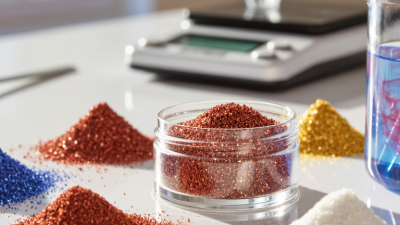
Picking the right Epoxy Resin Pigment Powder? It's not just about nailing that color swatch – though that's usually where everyone starts. The powder has to disperse evenly, hold its hue, and actually get along with the resin's curing system. Take metallic mica and opaque iron oxide – they're like night and day in how they behave. And the small stuff really counts. Use too much pigment, and you risk clouding a clear pour or messing with the cure itself. Honestly, if you go too light on it, you're gonna end up with streaks along that table edge, you know? Look, industry data is more about giving you the big picture than handing you a shopping list. Take Grand View Research's analysis of the epoxy resin market – it breaks down demand by application and region, which really shows just how many different ways epoxy is used. And then there's the US Geological Survey's Titanium report, which spells out how titanium dioxide pigment is used in everything from paints to plastics. Why does all this matter? Because the chemistry of the pigment can have a real impact on opacity, brightness, and how well it plays with other materials – that's the kind of context you don't want to miss. But honestly, no market report out there can really predict how a specific powder will behave once it's sitting in your mold. I mean, you could read all the trends and stats, but at the end of the day, it's your mold, your powder—you just gotta see what happens, right? So, before you even think about buying, you really wanna check a few things—like the pigment type, particle size, how it handles heat, the recommended loading, and any compatibility notes. And then, honestly, you should mix up a tiny test batch and see what it looks like after it cures under the exact lighting you'll be using. Because a powder that looks super vivid in the jar? It might totally mute out once it's in a thick pour. Don't rely on color charts either—they can be seriously misleading. If you can, ask the supplier for the technical data sheet, batch consistency info, and even a resin-specific sample if they have one. That's the way to go. Honestly, this guide is all about weighing those practical checks against finish, transparency, and what you actually need it for. And here's the thing – there's rarely a one-size-fits-all answer for any project. We tend to forget that, don't we?
Read more »
Elena By:Elena - November 1, 2026
What Is the Best Mica Powder for Soap Making in 2026?

What Is the Best Mica Powder for Soap Making in 2026?

Picking the best mica powder for soap making in 2026? It’s about more than just falling for a bright sample photo. You want a colorant that actually fits your soapmaking process, stays consistent from batch to batch, and comes with supplier info you can trust. And here’s the thing—that gorgeous gold in the jar? It can turn muted and dull once the bar cures. Happens more often than you’d think. Soap chemist Kevin Dunn—the guy who wrote Scientific Soapmaking—really knows his stuff when it comes to testing formulas. One practical thing I've taken away from his work is this: don't judge the color from the spoon; wait until it's in the finished bar. To be clear, I'm paraphrasing him, not quoting him word-for-word. But the point still stands: mica can look totally different depending on your base, the fragrance, and how it cures. When you're using mica powder in soap, honestly, don't just grab any color—compare things like particle fineness, color strength, and how it actually performs in your specific recipe. Also, make sure the supplier clearly says it's cosmetic-grade and gives you consistent details batch after batch. Then do a small test batch first. See how the shimmer looks in daylight, if the powder disperses evenly, and whether your finished bar keeps the shade you were going for. It's the little details that really make a difference. You know, a soft pearl can really flatter a pastel design, but copper mica? It might end up looking darker when you put it against a creamy base. Honestly, there's no one-size-fits-all when it comes to mica for soap – it all depends on what effect you're after and your specific formula. And even if you test carefully, you're not guaranteed the same result every time. The next batch might come out slightly different – that's just how it goes. It's worth noting, not hiding.
Read more »
Sophia By:Sophia - October 29, 2026
China Top 10 Epoxy Resin Pigment Powder Manufacturers

China Top 10 Epoxy Resin Pigment Powder Manufacturers

Honestly, choosing the right supplier matters—a lot—when color consistency, curing performance, and surface quality just can't be compromised. So here, we take a look at China’s top 10 Epoxy Resin Pigment Powder manufacturers, using practical, industry-focused criteria. So, what are the criteria? Well, they include pigment dispersion, batch stability, heat resistance, technical support, production capacity, and yes—quality documentation too. When you're evaluating a supplier, it's not just about one thing. You'd look at their factory experience, lab testing, export history, and what actual customers say. A good manufacturer should be upfront about particle size, how much to use, how to store it, and whether it works with different epoxy systems. And clear technical data sheets? They let buyers compare products properly—not just go by pretty color samples. Honestly, small details matter. A powder that feels smooth, packaging that's clean, a shade that stays consistent... those things can make or break an entire project. These manufacturers? They might work with jewelry makers, coating producers, flooring contractors, artists, and even industrial users. But their strengths aren’t all the same. Some have wider color ranges, while others are better at customization or can turn around samples faster. And honestly, public info can be patchy, so don’t take this ranking as set in stone. That’s a pretty important caveat. Testing? Yeah, it’s still a big deal. If you’re buying, ask for a sample first. Mix it into the resin you actually plan to use, then watch how the color develops after it cures. Keep an eye out for clumping, settling, any change in transparency, and surface defects. Honestly, these little checks can expose problems no brochure will ever bother to mention. And the best supplier isn't necessarily the biggest factory. It’s the one that gives you consistent results, straight answers, and technical support that actually fits what you're trying to do.
Read more »
Sophia By:Sophia - October 24, 2026
How to Choose a Reliable Synthetic Mica Supplier?

How to Choose a Reliable Synthetic Mica Supplier?

Choosing a reliable Synthetic Mica supplier requires more than comparing prices or browsing polished websites. The real test begins with product evidence, process transparency, and consistent communication. A dependable supplier should explain how its Synthetic Mica is produced, processed, tested, and packed. It should also provide clear technical data for each grade. Ask for a current Certificate of Analysis, particle-size distribution, brightness values, moisture content, and trace-element information. Check whether the data matches your application, especially for coatings, cosmetics, plastics, or industrial formulations. Do not rely on one sample alone. Request samples from different batches when possible. Small details matter. A professional supplier should maintain documented quality procedures and stable production controls. Evidence may include ISO-based systems, laboratory records, batch traceability, and clearly defined inspection methods. Companies such as Aurora Minerals or CrystalMica Materials should be evaluated by their records, not their names. Visit the production site when practical, or arrange a video audit with specific questions. Clear answers matter. Experience also shows that reliability includes packaging, lead times, replacement policies, and technical support. A supplier may offer excellent material but struggle with delayed shipments or inconsistent documents. That possibility deserves attention. No supplier is perfect, and some claims may sound stronger than the evidence supports. Ask for independent test results when the application is sensitive. Compare samples under identical conditions and record the results carefully. The best decision combines laboratory performance, commercial dependability, and honest communication over time.
Read more »
Sophia By:Sophia - October 20, 2026
Why Choose Pearl Pigment for Global Product Sourcing?

Why Choose Pearl Pigment for Global Product Sourcing?

Why Go with Pearl Pigment for Global Product Sourcing? Pearl Pigment isn’t just about decoration anymore. These days it shows up in packaging, automotive coatings, cosmetics, plastics, and plenty of premium consumer goods. Grand View Research figures the global pearlescent pigment market could grow around 7% a year through 2030. MarketsandMarkets sees steady growth too, mostly thanks to demand for metallic finishes and products that need to stand out visually. Those numbers are helpful, sure—but they’re not gospel. Research firms all use different definitions, regions, and forecasting methods, so take them with a grain of salt. Sourcing well takes more than a pretty color card. A buyer really should test Mica Pearl Pigment under daylight, LED light, and actual production-line conditions. Particle size, dispersion, opacity, batch consistency, and heat resistance can all shift the final look. A 25-kilogram trial lot might look great, then a bigger shipment shows uneven sparkle or settling. That’s the kind of uncomfortable surprise worth paying attention to. Dr. Heinz-Jürgen Berndt, an experienced effect-pigment specialist, puts it well: “A pigment is judged in the finished application, not in the sample jar.” That idea matters a lot in global procurement. Suppliers should hand over technical data sheets, safety data sheets, batch records, and clear compliance info. They should also prove they’ve dealt with REACH, RoHS, and destination-market requirements. Choosing Pearl Pigment from a qualified manufacturer can cut down on reformulation, rejected goods, and delayed launches. That said, no supplier is perfect. Buyers still need independent testing, honest communication, and documented quality controls before locking in long-term orders.
Read more »
Sophia By:Sophia - October 16, 2026
How to Choose the Best Mica Pigment Powder Supplier?

How to Choose the Best Mica Pigment Powder Supplier?

Picking the right Mica Pigment Powder supplier isn’t just about comparing color cards or price per kilo. You need proof, real manufacturing experience, and quality control that doesn’t slip. Grand View Research lists mica as a key mineral for cosmetics, coatings, plastics, and plenty of other industrial uses. And the U.S. Geological Survey’s 2024 Mineral Commodity Summaries backs that up—mica still matters a lot in global supply chains. Details really do matter. A solid supplier should be able to hand over a current Certificate of Analysis, Safety Data Sheet, ingredient specifications, and batch traceability. The test records should cover heavy metals, particle size, moisture, color consistency, and—where it applies—microbiological quality. A little jar can look flawless under showroom lights, then behave badly in lipstick, resin, or water-based formulas. That uncomfortable gap? Yeah, it deserves attention. Cosmetic chemist Perry Romanowski often makes a practical point: “Don’t assume an ingredient is safe just because it’s natural.” That mindset fits Mica Pigment Powder sourcing perfectly. Natural origin doesn’t replace testing, documentation, or responsible sourcing. Companies like Merck KGaA and Kobo Products have shown how good technical docs and formulation support can boost buyer confidence—but even then, every supplier still needs independent evaluation. Ask for samples from different batches. Compare them under daylight and under production lighting. Check dispersion, sparkle, settling, and surface feel. Price by itself is a weak guide. Honestly, even experienced buyers miss things like packaging stability or slow technical support. So supplier selection should stay a documented process—not a colorful guess.
Read more »
Sophia By:Sophia - October 12, 2026
China Top Mica Powder in Soap Suppliers How to Choose?

China Top Mica Powder in Soap Suppliers How to Choose?

Picking the best mica powder in soap suppliers in China? It’s not just about price. Sure, a bright sample might look gorgeous in a clear bar at first, but a few weeks later it can bleed into the lather. So the real question is pretty simple: can the supplier actually prove it performs consistently? Cosmetic chemist Dr. Michelle Wong put it well: “A beautiful ingredient still needs reliable safety and formulation evidence.” That’s not just theory—it matches what soap makers deal with in practice. For Mica Powder For Soap, ask for a current Certificate of Analysis, Safety Data Sheet, ingredient specification, and batch traceability record. Check that it’s cosmetic grade, plus particle size, color consistency, and heavy-metal testing. And don’t forget to ask if the mica works for cold-process, melt-and-pour, or liquid soap—because those systems don’t behave the same way. Reliable suppliers in China should be able to explain their quality controls clearly, not just toss out vague claims. Look for documented manufacturing standards, clear packaging details, and technical support that actually responds. If a supplier sends a fresh sample, matching batch data, and mixing guidance, that’s a good sign of professional discipline. Companies like Intercontinental Specialty Fats, Hangzhou Kebo Chemical, or other verified manufacturers still need to be checked independently. A big name alone doesn’t prove much. Test the powder in a small soap batch. Watch how it suspends, how it shines on the surface, whether the color migrates, and how it feels on skin after curing. Keep photos and batch notes—seriously, they help. This is the part where judgment gets a little uncomfortable. The cheapest supplier might do great once, then let you down later. Even an impressive factory visit can’t replace repeated testing. So choose evidence over polished promises, especially when your finished soap is going out to real customers.
Read more »
Amara By:Amara - October 8, 2026
7 Tips for Buying Pigment Powder for Epoxy

7 Tips for Buying Pigment Powder for Epoxy

Buying pigment powder for epoxy might seem pretty straightforward at first — you think, ‘Hey, I just need some color,’ right? But then, when you pour your cured piece and see dull hues, cloudy streaks, or stuff settling at the bottom, it’s a whole different story. A tiny sample jar can be misleading, hiding how the actual performance might differ a lot from what you expect. The key thing is, the pigment needs to match your resin system, how you mix it, the curing temp, and what you’re aiming to do. As Dr. Elena Marlow, a coatings expert at ColorCraft Materials, puts it: “Color isn’t just a visual thing; it’s a performance decision.” And she's totally right — having a pretty color alone isn’t enough. You’ve gotta look at the particle size, how evenly it disperses, how it handles heat, and the guidance from your supplier. When shopping around for epoxy resin pigment powder, make sure to check the technical datasheet, recommended loading rates, batch info, and safety notes. Also, ask yourself: is this pigment suitable for two-part epoxy, casting resins, or coatings? Start off by testing for compatibility. Mix a small batch first — don’t just buy big bottles right away — and be careful with your measurements. Mix slowly, preferably in good lighting, and keep an eye out for clumps, floating bits, or color shifts once it’s cured. Some pigments look fantastic in the liquid resin but end up dull or uneven after a few hours, or they settle deep into molds, ruining the finish. I’ve seen so-called ‘perfect’ samples completely fall apart after curing, so don’t get too attached to initial impressions. I’ve put together seven tips focusing on color strength, how well it disperses, transparency, resistance to light, supplier trustworthiness, packaging quality, and how much it costs. And here’s a little secret: the cheapest powder isn’t usually the overall best value — a bad batch or poor performance can waste resin, time, molds, and patience. When choosing your pigment, look for evidence of quality rather than just fancy photos online. Trust me, it’ll save you headaches down the line.
Read more »
Elena By:Elena - October 3, 2026
What Are the Top Mica Powder Types for Candles in 2026?

What Are the Top Mica Powder Types for Candles in 2026?

Picking the right mica powder can really make a difference in how your candles turn out — from their look and glow to how they burn and hold up on the shelf. Come 2026, candle makers are paying closer attention to the different types like pearl, satin, metallic, neon, and color-shifting mica. Each one adds a unique visual touch inside your wax — some give a soft, gentle glow, while others splash on a bold shimmer when you look at the surface. In this guide, we've tossed around quite a few practical candle-making experiences and technical insights to help you navigate the options for Mica Powder For Candles. We’ll talk about particle size, how strong the color appears, how well it handles heat, whether it works with different wax types, and what finish you get once everything cools down. For example, a fine pearl mica might be perfect for simple, minimalist soy candles, while metallic mica can really make accents pop in pillar candles. But heads up — too much pigment can cause issues like settling, clogging your wick, or even making the flame weaker. That’s a detail you’ll definitely want to keep in mind. Choosing confidently starts with good supplier info, consistent batch quality, and doing small burn tests first. Make sure the product labels clearly state what it’s meant for and include safety info too. Looks matter, sure — but they’re not everything. A candle can look gorgeous but still burn unevenly. Our comparisons aren’t about claiming one powder is perfect in all waxes; results can vary based on fragrance levels, wick sizes, vessel shapes, or pouring temps. Candle testing isn’t foolproof — remember that. In the sections ahead, we’ll help you compare mica types for specific candle styles or goals. Whether you’re after subtle luxury, vibrant color, or decorative effects, we’ve got you covered. Plus, you’ll get some practical tips to keep your results cleaner and more reliable in 2026 — because good candles are all about the details.
Read more »
Elena By:Elena - September 30, 2026
How to Source Optical Variable Color Changing Pigment 2026

How to Source Optical Variable Color Changing Pigment 2026

Getting your hands on optical variable color-changing pigments in 2026 isn’t just about comparing color swatches. Sure, a red-to-green shift might look really sharp under showroom lights, but the moment you step outside into daylight, it might not be so impressive. That’s why it’s crucial for buyers to see how the pigment performs in the actual ink or coating you plan to use, on the real substrate, and under consistent lighting conditions. Small tests really do matter—don’t hesitate to ask for batch-specific samples, detailed technical info, and clear instructions on things like particle size, dispersion methods, storage, and recommended application. Just because a sample looks fantastic doesn’t mean the supplier can consistently deliver that quality over time. Security expert Dr. Rudolf L. van Renesse has emphasized that when evaluating optical security features, you should observe them carefully—ideally under controlled, repeatable conditions, not just a quick glance that makes it pop. That’s an important test. Take note of how the effect changes when you view it from different angles, whether the color stays consistent after application, and if different samples show similar results. Make sure to get written specs and, if possible, a realistic production trial before you commit to a big order. For wholesale optical variable ink, for example, double-check that your supplier can explain how the pigment behaves in the actual formulation—don’t just settle for a loose powder sample. Sometimes, even seasoned teams overlook factors like lighting or the thickness of application—that’s where details matter. Having a handy checklist helps a lot, but nothing beats doing some hands-on testing yourself. It’s not perfect, but it’s definitely more reliable that way.
Read more »
Elena By:Elena - September 26, 2026
China Top Mica Paint Powder Manufacturers?

China Top Mica Paint Powder Manufacturers?

China has really become a key player when it comes to sourcing Mica Paint Powder, especially for things like decorative coatings, craft paints, auto finishes, and industrial uses. But here’s the thing—figuring out a trustworthy manufacturer isn’t just about tossing a bunch of catalog photos or looking at prices. The quality can vary quite a bit depending on how the mica mineral is selected, the particle size, surface treatments, color consistency, and how well the packaging is managed. In this guide, I’ll walk you through China’s top Mica Powder For Paint suppliers, focusing on what really matters when you're buying. We look at factors like experience in production, lab testing results, export history, whether they can customize orders, and how strict their quality management systems are. A good, dependable supplier should be able to share technical data sheets, safety info, sample batches, and details about where their raw materials come from. Plus, it’s smart to see if they can keep colors consistent over multiple batches — because even if a silver pigment looks perfect in a tiny jar, that color might shift when you mix it into acrylic or water-based paints. Let’s be honest—market info isn’t always crystal clear. Some suppliers might make claims that sound good, but you gotta verify. Factory pics are helpful, but nothing beats independent samples, video inspections, and documented batch records to really confirm what’s happening behind the scenes. So, I’m not gonna just rank companies based on their ads or flashy websites. Instead, I focus on those that show real technical competence, quick responsiveness, and transparent production practices. Before placing any big orders, it’s always wise to double-check current certifications and test results directly. Even veteran buyers can miss things like moisture sensitivity, dust buildup, or poor dispersion performance. Doing a careful comparison helps avoid surprises and sets you up for more reliable, high-quality coatings in the end.
Read more »
Amara By:Amara - September 22, 2026
10 Best Pearl Pigment Suppliers for Global Buyers

10 Best Pearl Pigment Suppliers for Global Buyers

Picking a reliable supplier for Pearl Pigments isn't just about glancing at shade charts or checking prices. Honestly, global buyers need more than that—they want consistent color quality, clean mica, controlled particle size, and solid technical info. And let's not forget, packaging really matters too. A damaged 25-kilogram box can lead to costly contamination during production—so it’s worth paying attention to those details. As Dr. Rainer Jung, an expert in effect pigments, once said, “Pearl effects are judged by light, not just by a color card.” That still hits home. You might see a pigment that looks super bright in a catalog, but once it’s dispersed, coated, molded, or applied to the skin, it could fall flat and look dull. So, in this guide, I’ve rounded up ten notable suppliers—things like Merck, ECKART, Sudarshan, CQV, Kolortek, Kobo Products, Sensient Cosmetics, DIC, Nihon Koken Kogyo, and YAYANG. Each one has its own strengths. Some are really good for high-end cosmetics, while others are focused on coatings, plastics, inks, or industrial finishes. When choosing, it’s crucial to evaluate product consistency, technical support, production capacity, and documentation. Before making big orders, always ask for current Technical Data Sheets, Safety Data Sheets, Certificates of Analysis, and sample batches. If you’re after mica pearl pigments, pay extra attention to quality and surface treatments—they really impact how much it sparkles, how well it sticks, chemical resistance, and how it feels on the skin. Plus, make sure your claims for compliance match the requirements of your target market. Of course, no supplier review is perfect. Performance can vary based on region, product line, and order size, and lead times might shift unexpectedly. Just because a brand is familiar doesn't mean it’s automatically the right fit. It’s still really important to test stuff yourself—formulation trials, factory visits, regulatory checks—they all matter. So, consider this list more as a practical starting point, not the final word. Doing thorough research and testing is key to finding what really works for you.
Read more »
Elena By:Elena - September 18, 2026
China Top 10 Photochromic Pigment Manufacturers?

China Top 10 Photochromic Pigment Manufacturers?

China’s photochromic pigment market is really growing fast, and you’ll find these pigments being used in everything from inks and coatings to plastics, textiles, and even security printing. In this article, I’m introducing ten manufacturers based in China, but keep in mind — rankings aren’t set in stone. Their capacities, formulations, and quality systems can change pretty quickly, so what’s top today might shift tomorrow. Professor Masahiro Irie, one of the top experts in photochromism, put it lightheartedly but accurately: “Photochromism is basically a reversible change in a single chemical, switching between two forms with different absorption spectra.” That’s the key principle behind developing these pigments. In the real world, the color change needs to be obvious, repeatable, and stable under normal lighting conditions — not just under laboratory tests. If you’re looking at a manufacturer, don’t just go for the flashy samples that look great under UV light. A trustworthy supplier will give you details like particle size, the wavelengths needed to activate the pigment, how quickly it fades, its heat resistance, and instructions on how to keep everything compatible. They should also be upfront about the limits — for example, some samples might dazzle under intense UV but fade away slowly when used indoors. That’s a detail that really matters. Our review considers factors like their production experience, the quality of technical documents, how flexible they are with customization, what testing equipment they have, their export and customer service, plus what users are saying. We also check whether they can keep the same shade quality batch after batch — because even tiny differences can be noticeable. For instance, a blue pigment might look stunning on coated paper but could perform poorly when used in plastics like polypropylene. The companies we’ve looked at might suit different needs and budgets. Some are more focused on water-based inks, while others develop masterbatches or specialized coatings. No single supplier is perfect, so it’s smart to ask for current samples, safety info, and independent test results before making any decisions. All in all, this guide is meant to help you get a good sense of China’s top photochromic pigment makers. But remember — it’s just a starting point. You’ll want to do your own testing and see how they perform in your specific application.
Read more »
Amara By:Amara - September 15, 2026